For this section I wanted to delve into creating and selling music as an industry professional, how the industry turns art into product and the processs of doing so, as well as the dual identity of being an artist and industry professional.

Passion to Product
Industry Through History
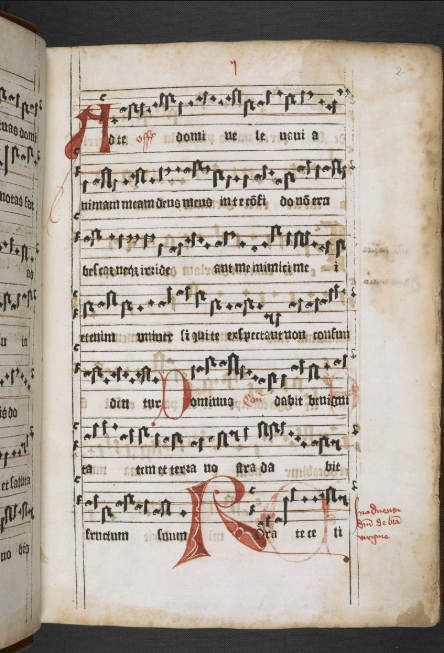
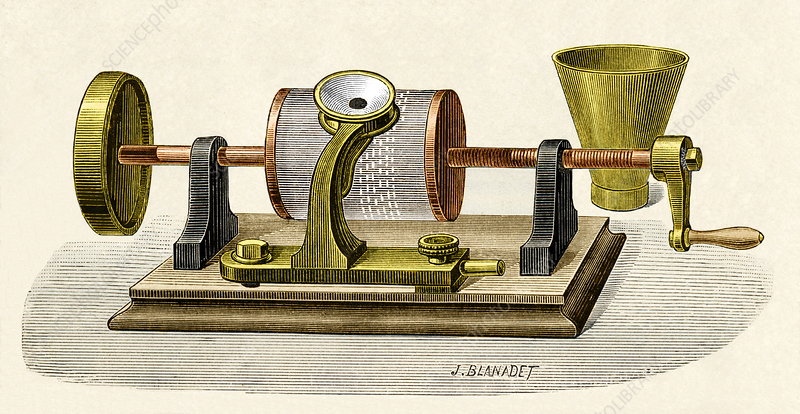
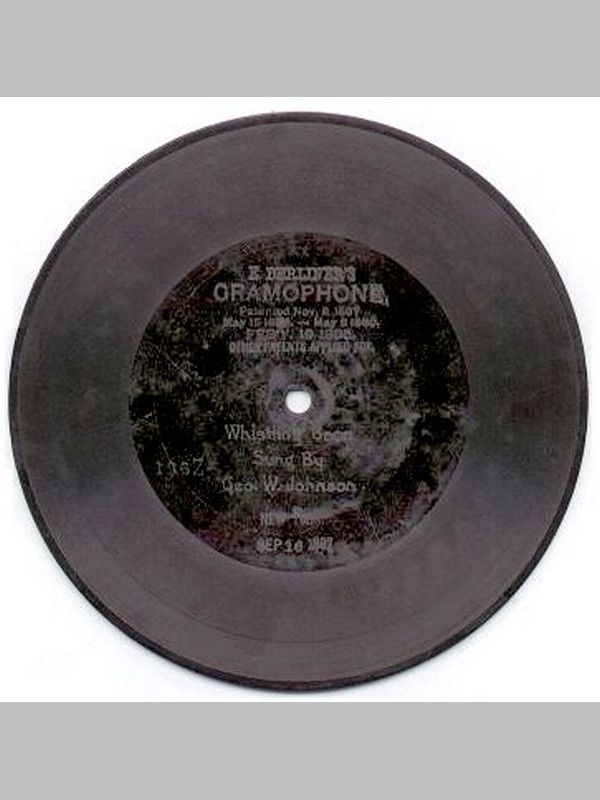
The music industry has evolved over time, but the commercial history really began with the distribution of physical formats. Before the current era of streaming and digital releases, songs were distributed as tangible product, firstly as sheet music in the early 16th century, with the inventon of the printing press in 1440. The first sheet music made with a printing press was made in 1473. The first tangible piece of music that you could purchase and play as a product were phonograph cylinders. By the 1970s, record labels had created a full ecosystem-including recording, publishing, promotion, touring, and rights management-transforming music into a structured business.
| Era | Format | Commercial Shift |
| 1500s onwards | Sheet Music | Focus on literacy & home musicianship |
| 1900s | Records | Mass listening at home |
| 1920s | Radio | Free, national access |
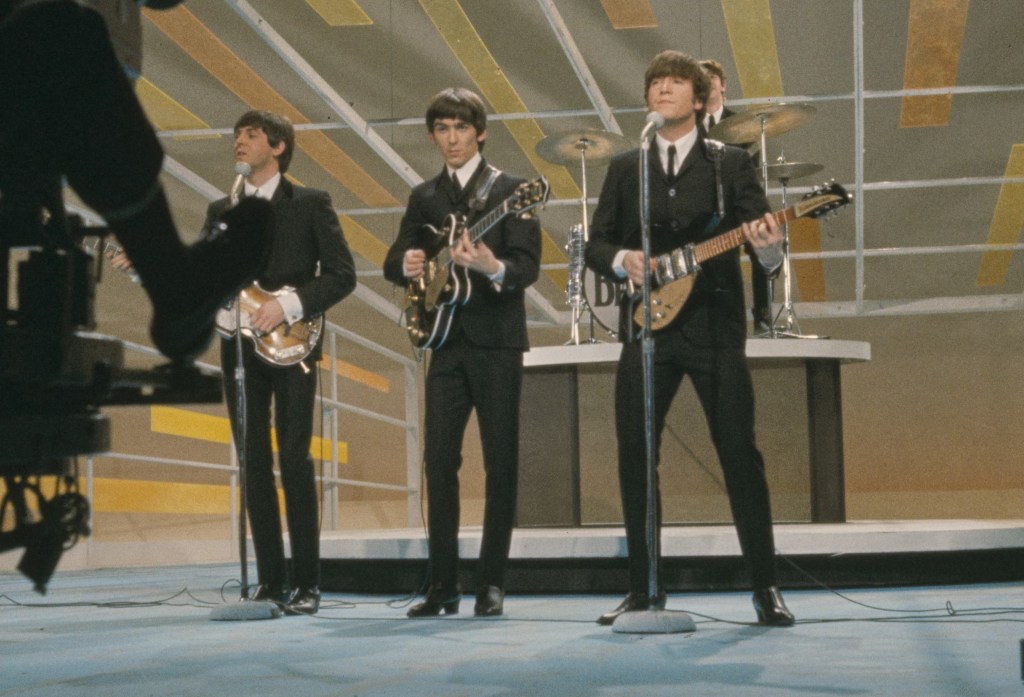
| 1950s | Vinyl Singles | Youth market & jukeboxes |
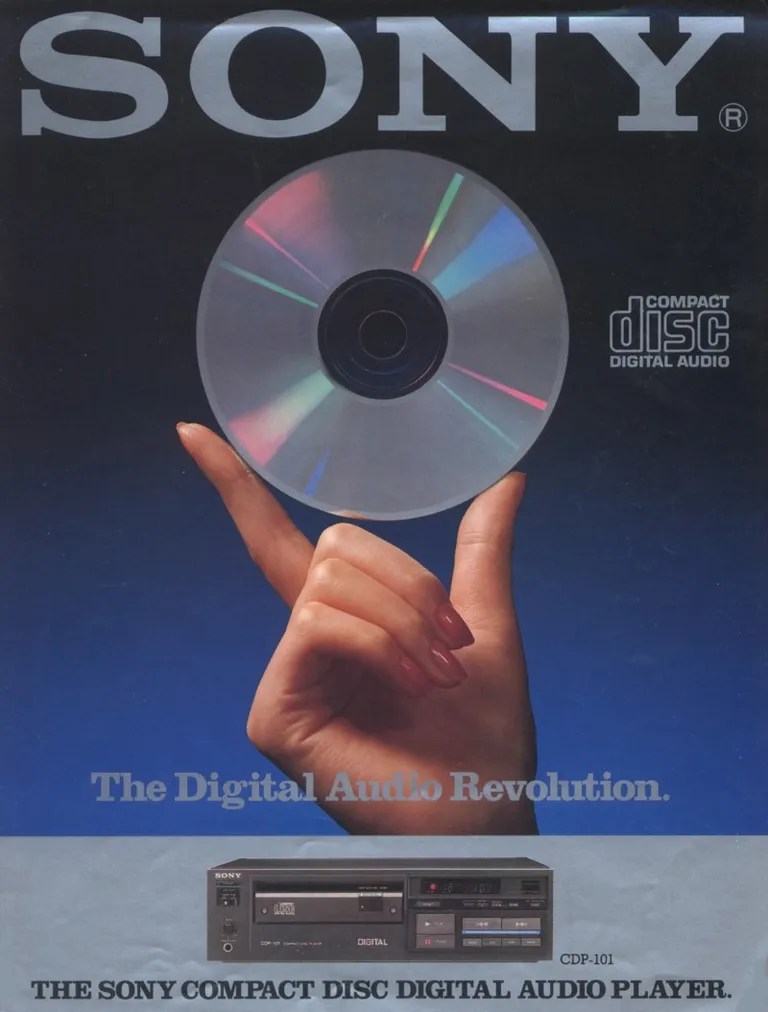
| 1980s | CDs | Digital Hi-Fi & Mass Sales |
| 2000s | Downloads | Online Ownership |
| 2010s | Streaming | Easy access > Ownership |
| 2020s | AI/Resurgence of Live Music | Decentralized and experimental |
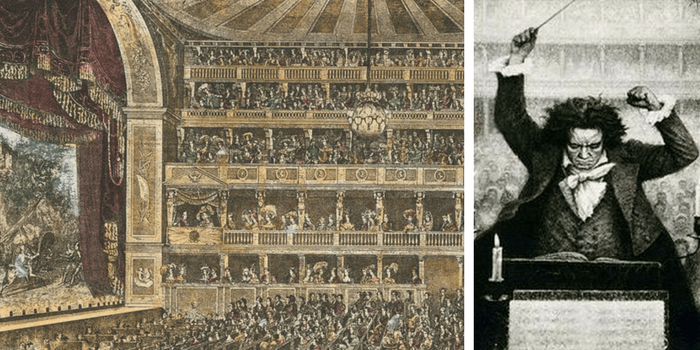
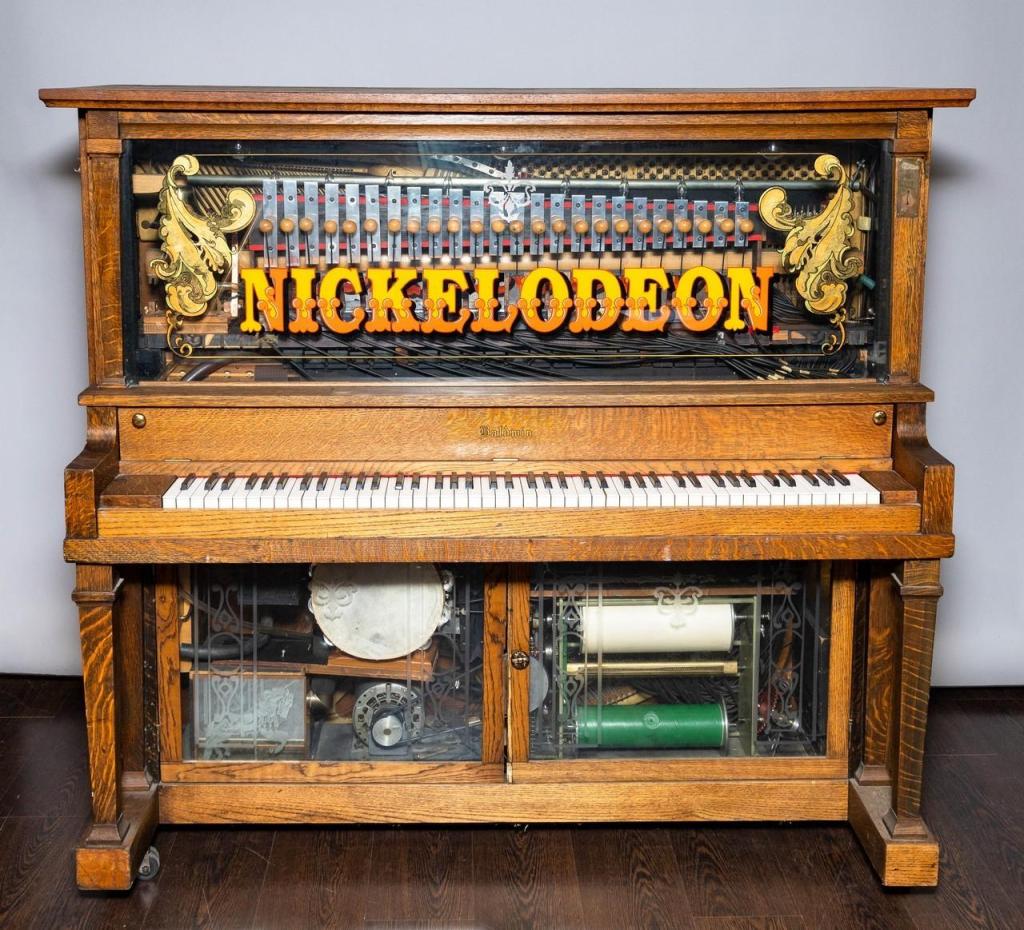
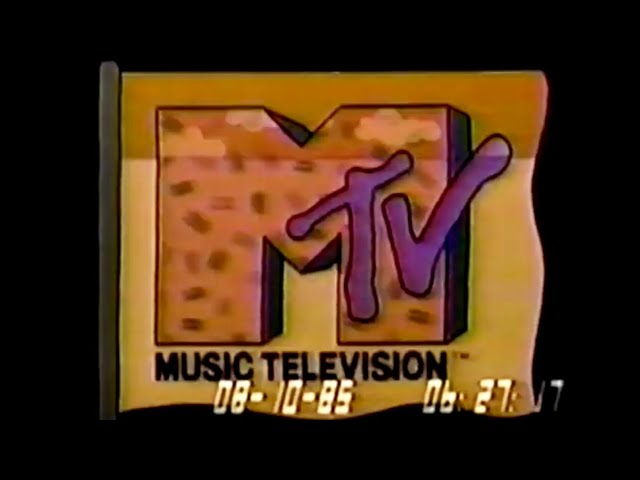
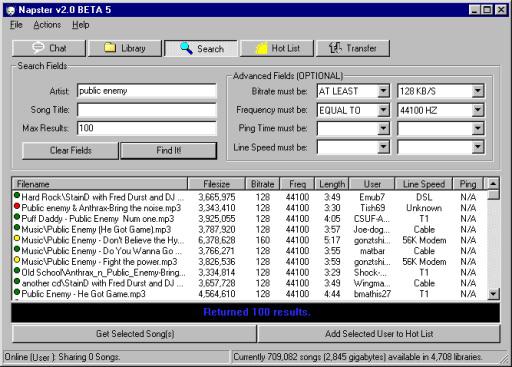
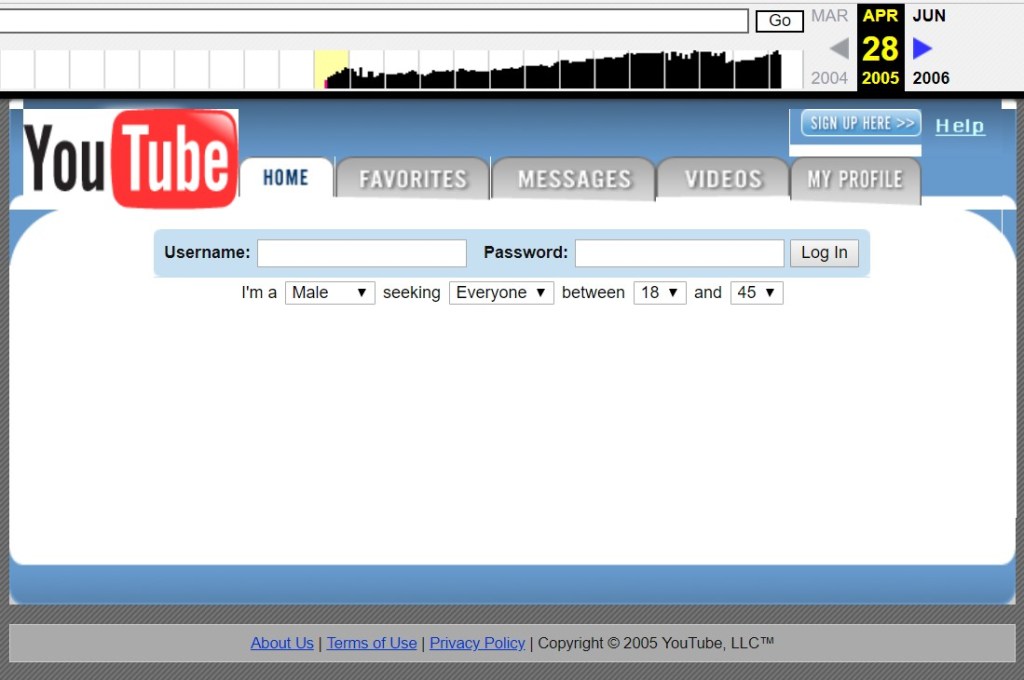
Gallery of cultural shifts that affected the Music Industry


What is an Industry Professional?
The contemporary music industry features many important players that each play their part in getting music from their heads, to the studio, onto streaming services and tours and creating revenue: songwriters, singers, producers and all kids of musicians, A&R reps, label bosses, lawyers, promoters, managers, and more each play a crucial role into turning songs into profitable producuts.
The Art to Commerce Pipeline
The path from music to market typically goes as follows:
A&R scouting & signing

Recording/production with budget & studio time

Marketing & branding, including visual identity and social media

Distribution & promotion, including streaming, radio, and live performance

Licensing, touring, and future income streams
Behind the Curtain: Industry Professionals Speak
Jordan & Murray (The Xcerts) describe their early lives in Aberdeen as a DIY band, early support from managers and agents, typical path: local gigs, single deals, indie labels, and van tours—learning the business on the road
Their label hop from label to label showed uncertainty and resilience, as they worked in a splintered system where contracts often were short-term.
Larry (Hundred Reasons producer) explains building grassroots gigs in Twickenham youth clubs, signing with Columbia for a full-budget album, and flipping labels and publishers. He portrayed the business as a whirlwind—a network of contacts without a detailed plan. His take-away: success equals hustle, community, and thick skin
The Dual Identity: Artist vs Industry Professional
Most music business professionals—such as Jordan, Murray, and Larry—began as enthusiastic artists before finding roles within the industry. Murray and Jordan were trained in technical and business skills through touring and self-releasing, while Larry moved from performing to production and management.
Nike Minaj’s alter-egos, Tony Orlando’s A&R abilities, and Scooter Braun’s talent-management strategies prove that industry and artistry roles can be compatible. Jordan and Murray reinforce that “good music lasts” longer than today’s social-media fixations, but Larry advises that industry chaos requires ruggedness and strategic intellect.
Grimes Case Study
Reflection
Through this exploration, I’ve learned that the music industry is not a monolithic entity—it’s a dynamic ecosystem powered by creativity, negotiation, and adaptability. Historical and contemporary research highlights how A&R, artist management, and branding are essential in shaping the artist’s path. Meanwhile, your interviewees illustrate how genuine creativity and artist-led resilience can help navigate industry complexities.
The function of the artist is not to quash creativity, but to build and provide it. By balancing inspiration and structure, you can preserve the liberty to make art while benefiting from the aid of the industry. This advice rings very true to my own double-life scenario—artist and soon-to-be industry professional—when I imagine “Call You Up” grow from a collaboration to a fully marketing-push-backed, possibly label-backed release.
 sigourneymusic.com