With my Project I wanted to look at the industry through multiple perspecives and walk in the shoes of everyone who takes part in it, the artists who create the music, the industry that turns the art into a product and consumers who impact on the industry and, research said impact and how they are not mere bystanders but through their consumption shape its landscape.
Week One
Project Beginnings and Changes of Plan
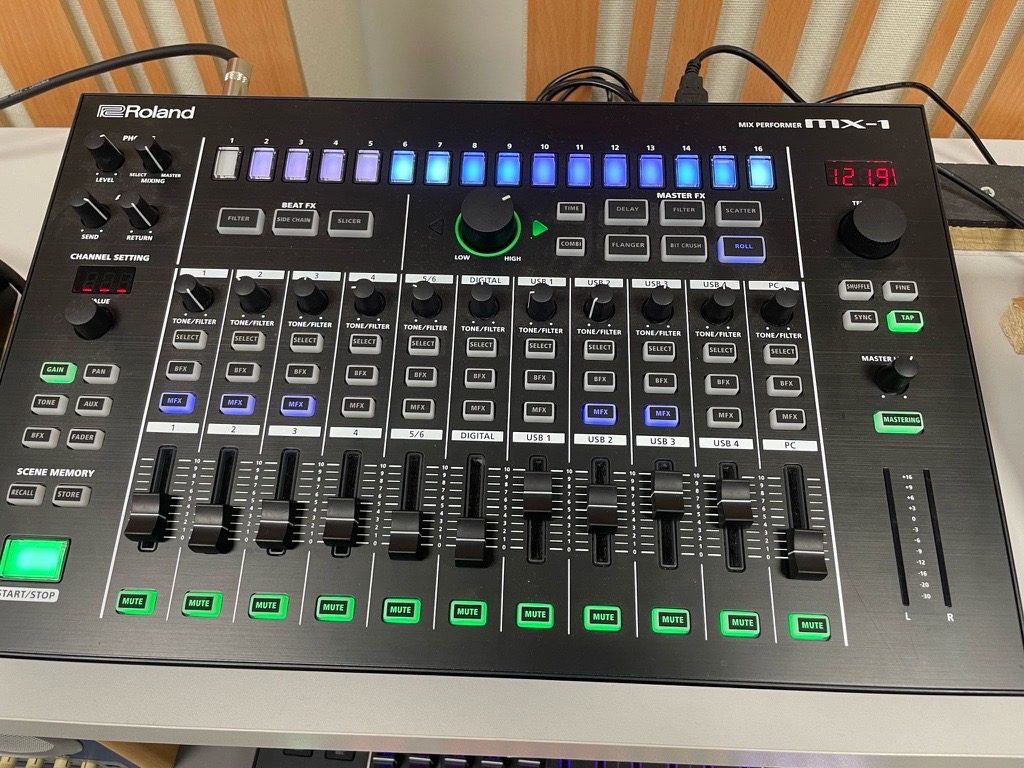
When I started the project I was originally going to collaborate with my friend Lena on an electronic performance with my colleges Roland AIRA system, heavily inspired by artists such as Grimes and Imogen Heap.
During the original conceptions of the FMP it was called “Storytelling Through Electronic Performance” and I was going to produce a final outcome performance with live mixing, sampling, vocals and looping inspired by a Grimes performance she did on KEMX Radio.
While starting research for this project and after going to concerts I realised I was more interested in the how rather than producing a pretty and polished final outcome.
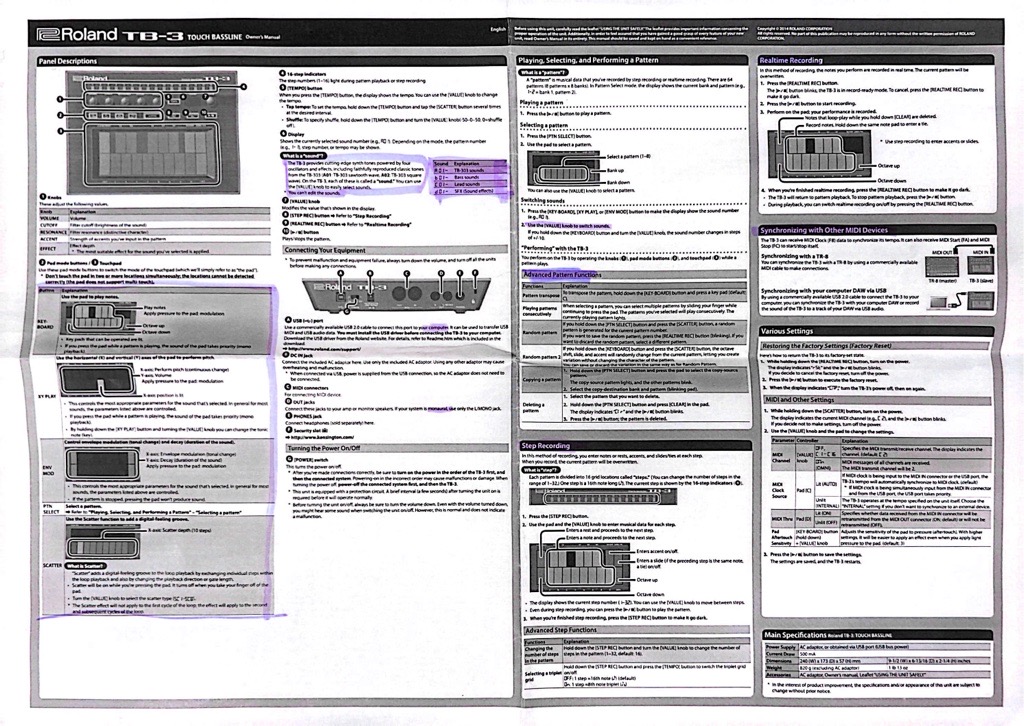
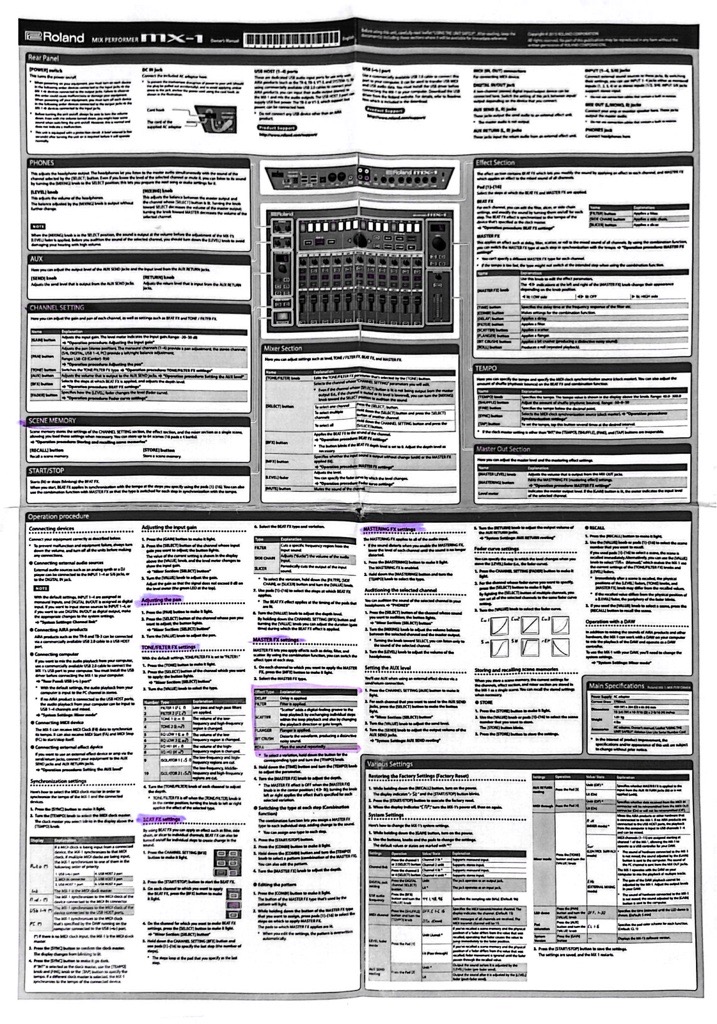
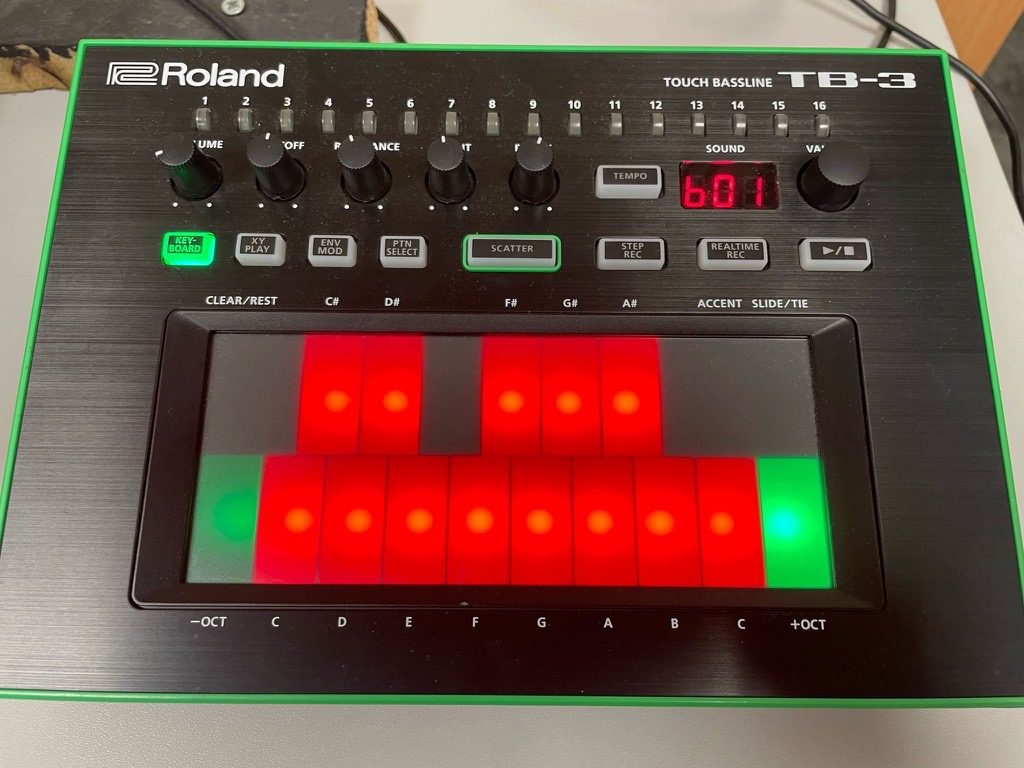
Lena and I played around with the Roland AIRA system, making funky little beats and reading all the manuals, and it was fun to play around with new stuff that I’d never used before.
Roland AIRA
Highlighted Manual
Highlighted Manual
Roland AIRA Touch Bassline
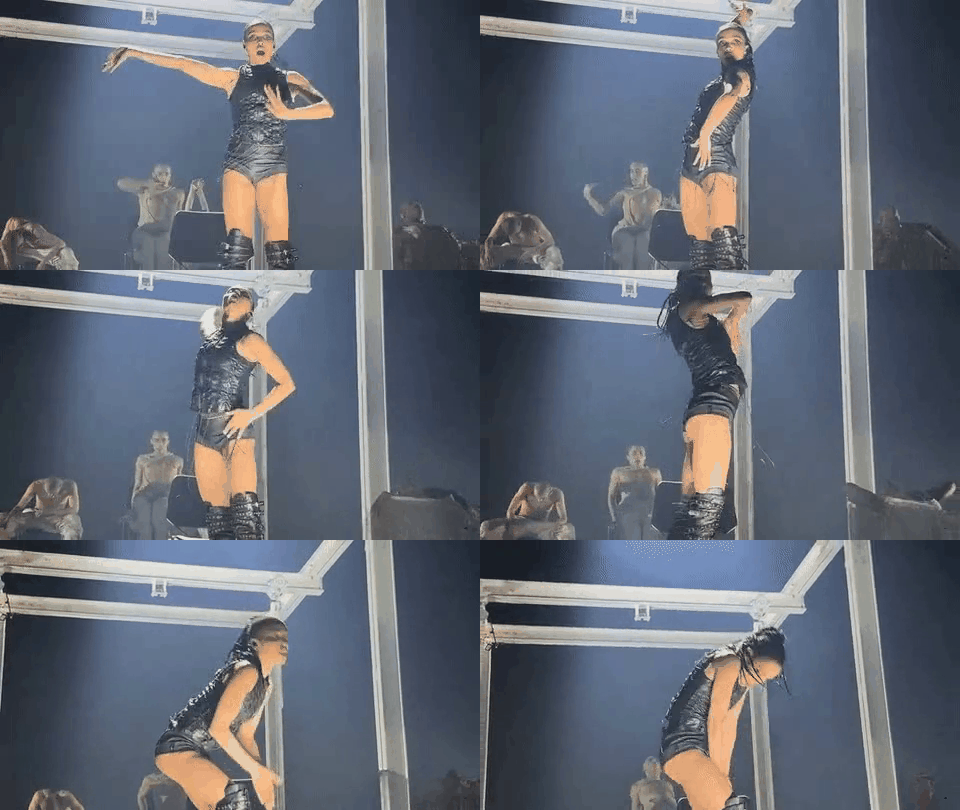
During this first week is when I went to two concerts on back-to-back evenings to review and analyze them. Rebecca Blacks SALVATION tour Here, at Outernet on Thursday 20th March and FKA Twigs EUSEXUA tour at Magazine, London on Friday 21st March, which were great firsthand experiences from the perspective of the consumer. Being able to see how these artists curate an image and market themselves as a product alongside showcasing their artistry was monumental in my decision making in the coming week.
GIFs recorded by me
Week Two
Spring Concert
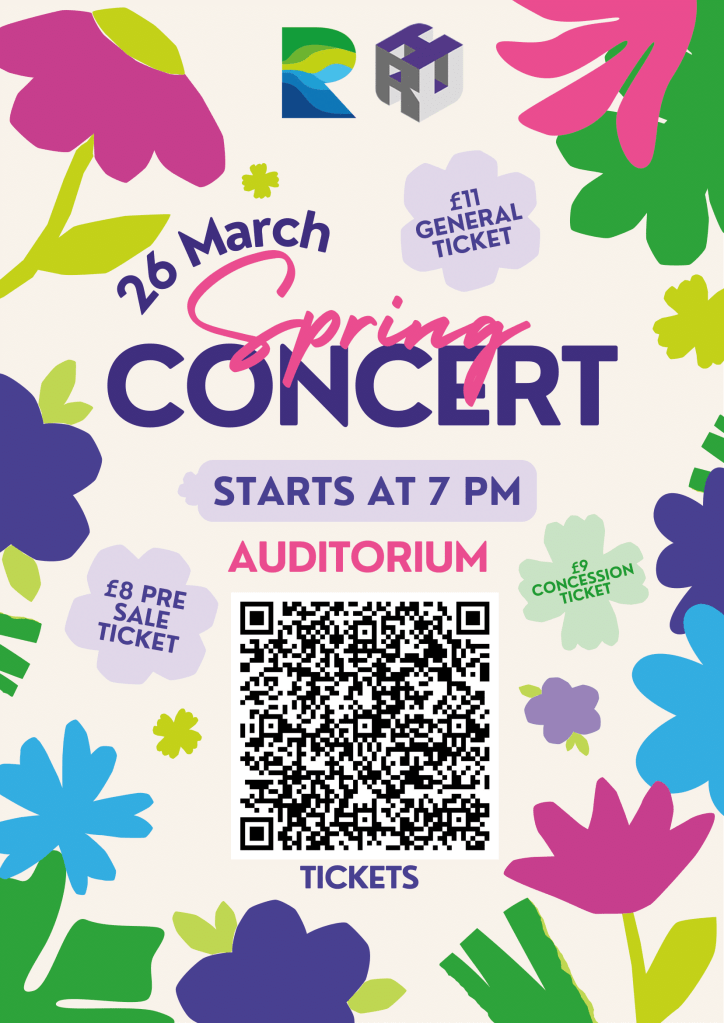
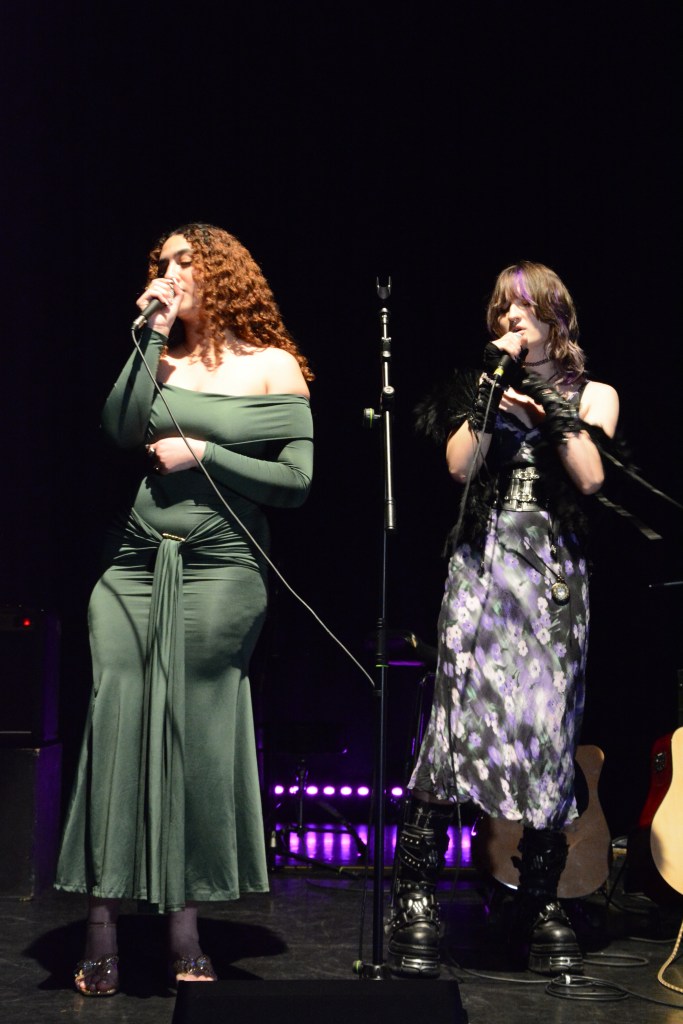
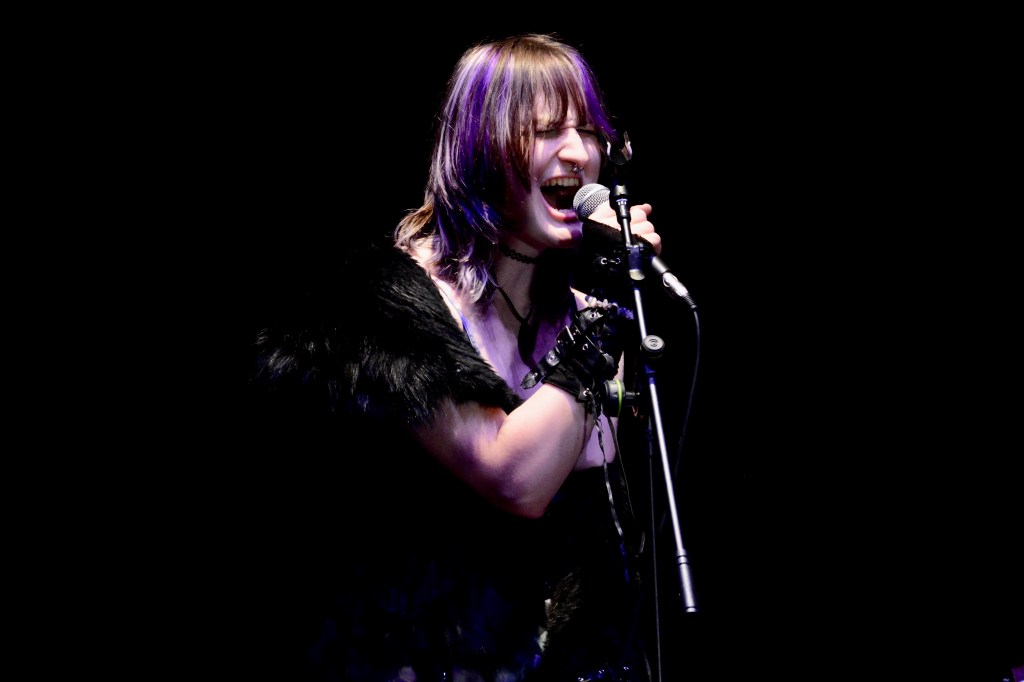
Week Two was the week of the concert, I performed two songs, Chained to the Rhythm as a duet with Renad with Jack on guitar and Kiro on Piano and Disease as a solo with Alfie on guitar, Kiro on bass and Jordan on drums with Renad doing backing vocals. I also designed the poster for the concert.
Spring Concert Poster
Designed with Canva
I was the main force behind rallying the troops to get both songs off the ground, about two months before the concert Renad and I had been going through karaoke versions of songs on youtube and we went through A LOT of options (mostly Katy Perry because we both love 2010s pop hits) but landed on Chained to the Rhythm because of a small adlib that made us both laugh so much we decided we had to include it.
I then asked Jack and Kiro to do the instrumental and they delievered very smoothly! We rehearsed it about twice a week starting a few weeks before the concert so by the time it rolled around we were set.
Disease was difficult to get off the ground and taught me a lot about working and collaborating with people who may have significant differences to you and are still learning about professionalism, it was under rehearsed but we managed to just about scrape by with the ammount of practise we had gotten.
Music Through History
Aboriginal Australian people believe the world was created through song, during a sacred ancient era called the Dreamtimes, where ancestral beings traversed the lands singing their features into existence. They called these songs the Songlines. Through these is where these people got their history, learn about the world and how to traverse it.
Music throughout human history has always been used for cultural and spiritual expression, been used in rituals and storytelling, and bonded communities across all time in all civilisations as well as letting people explore themselves and their identity at an interpersonal level.
Before music was experienced the way we do today: as an entire industry, structued art form and form of entertainment and pop culture distributed via physical and electronic mediums, it was a way to pass down stories and information and a way to bond with others, often passed down from generation to generation in a spiritual/religious context and inform peoples identities.
Before modern instruments people used their voices to chant, hum, sing and imitate the sounds that they heard in nature. Body percussion was used to create rhythm and beats and could have been used to coordinate group tasks like rowing and are often seen to be part of ceremonial dances. Natural objects such as sticks, bones, hollow logs and shells were used to tap and eventually create instrumens. The oldest ever instrument found is a bone flute dated to be around 40,000 years old!
Cave paintings show the Neanderthals had a level of artistic sophistication
“Singing probably appeared before speech… it may have been used for bonding long before humans could talk” — Steven Mithen, The Singing Neanderthals (2005)
By the time that music had evolved to involve instruments and notation, so had our society. Instead of a tool for survival it became a tool of expression. Medieval minstrels and trabadours would perform in different venues from inns, taverns to town squares and share their are and entertain both common folk and nobility. These songs were often versions of songs that had been passed down through generations, or writted by these performers themselves or in collaboration with others.
Week Three
Idea Spark: Perspectives
When first coming up with what I wanted to do for my project, I knew I wanted to try my hand at every single part of the industry even though I mainly see myself as a singer and songwriter. I think it’s important to explore many avenues and take every opportunity you can.
For my research on the past of music I read three books this week: The Songlines by Bruce Chatwin and The Singing Neanderthals by Steven Mitchen and
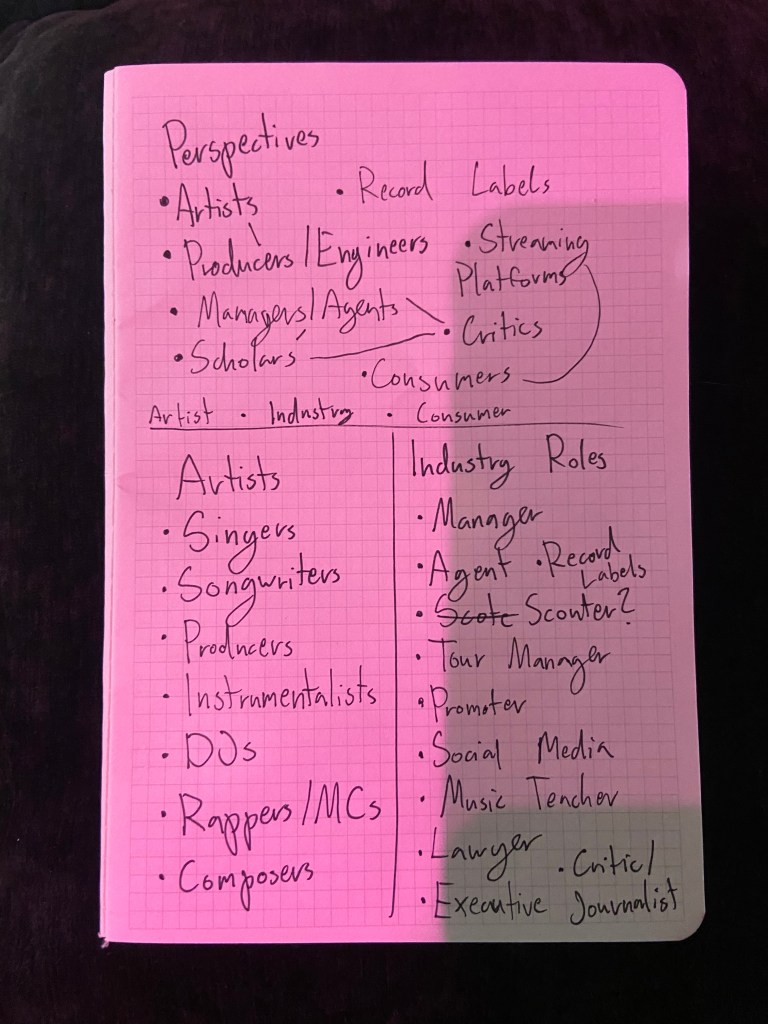
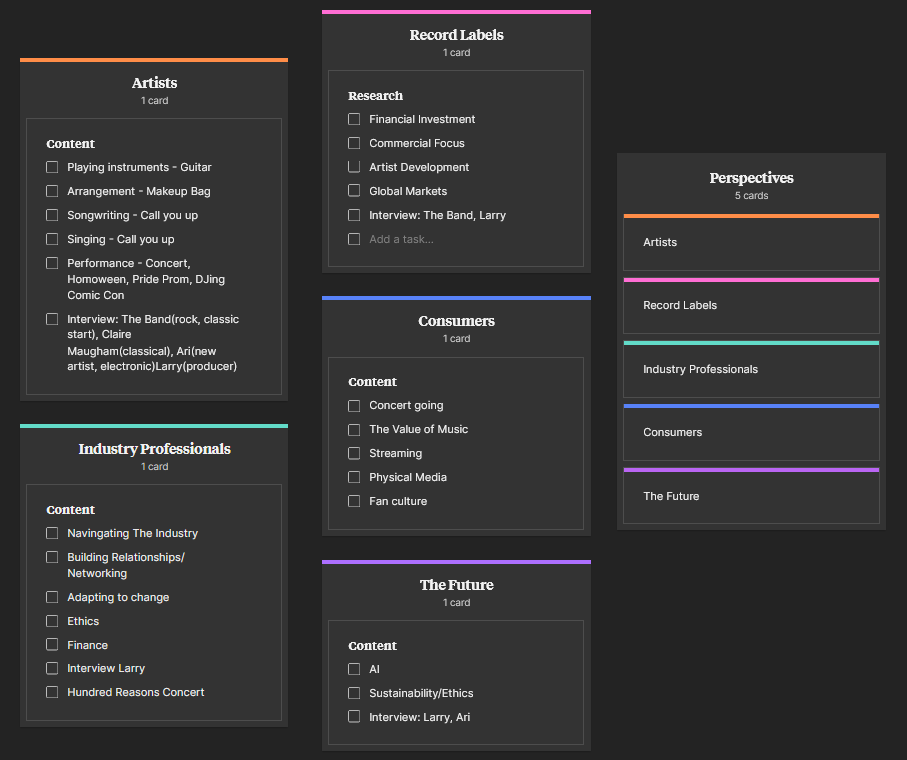
Here I was thinking about the different perspectives I could possibly write about during my project, as you can tell from my homepage this list was thoroughly cleaned up from my first thoughts.
Once I’d landed on exploring different perspectives of the industry, I decided on three “Perspectives” as well as exploring the future of the industry, I thought about having sections about the past and present but then I thought that my research and interviews would cover those topics.
Songwriting
Songwriting is the act or process of writing the music and words of songs; The creative birth of music, where feelings and ideas are molded into something tangible. It is both emotional and technical, combining rhyme, rhythm, and storytelling
Historically songwriting has always reflected the times and tools of the artists, wether we’re talking about neanderthal chants, old religious hymns or modern pop ballads – it has always been a peek into the era and inspirations of artists.
I believe art is a conversation between you and all the artists that lived before you. Writing music has always been a part of my life and is incredibly personal to me. It’s how I process my feelings, explore big ideas and express the things I couldn’t easily say aloud. For my Final Outcome I co-wrote a song with my classmate Rita called “Call You Up”, which represents the attitude I have taken on with this project of looking at creating music from different lenses. When I wrote this song I was specifically thinking about how well it could sell, something I never really think about when creating music.
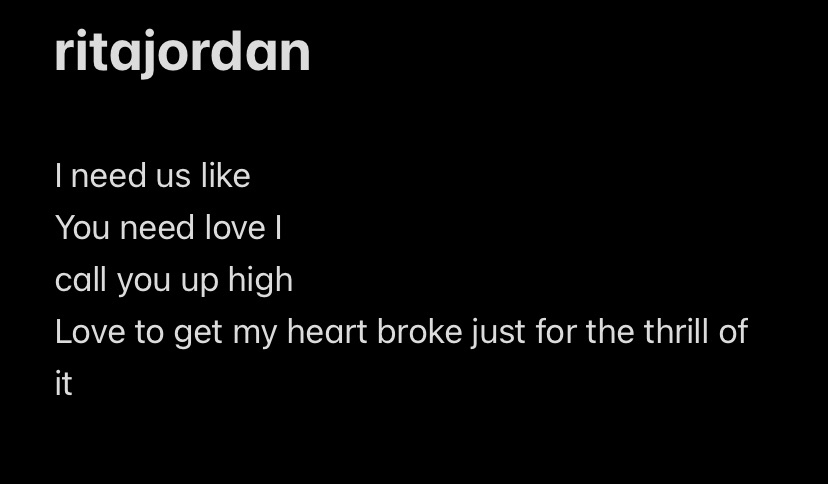
Call You Up first started earlier in the year when I walked into the main studio and found Jordan and Rita struggling to come up with lyrics for a beat Jordan was working on. When I heard the beat these lyrics and melody came to my head instantly and after Rita changed one of the lyrics (“call you up, why?” became “call you up high”, which in my opinion was stronger) we had a great start for the song.
We excitedly discussed the storyline for the song, for example how both me and Rita could get on it from two perspectives of one relationship, and made small tweaks to lyrics so they flow better with the melody.
Jordan suggested I rap for the song, something I have a little bit of practise in so I wrote the rap verse and had it done in
↑ ↑ ↑ CLICK HERE to listen to the DEMO of Call You Up ↑ ↑ ↑
DJing
DJing is a unique musical skill that mixes technicality, creativity, and most importantly crowd awareness. DJs are not just people who play music, they curate the vibe of a space in real time through their storytelling and live mixing. DJings history goes back to the early 20th century to radio presenters and dance hall selectors, but it really carved its space as a performance art in the 1970s.
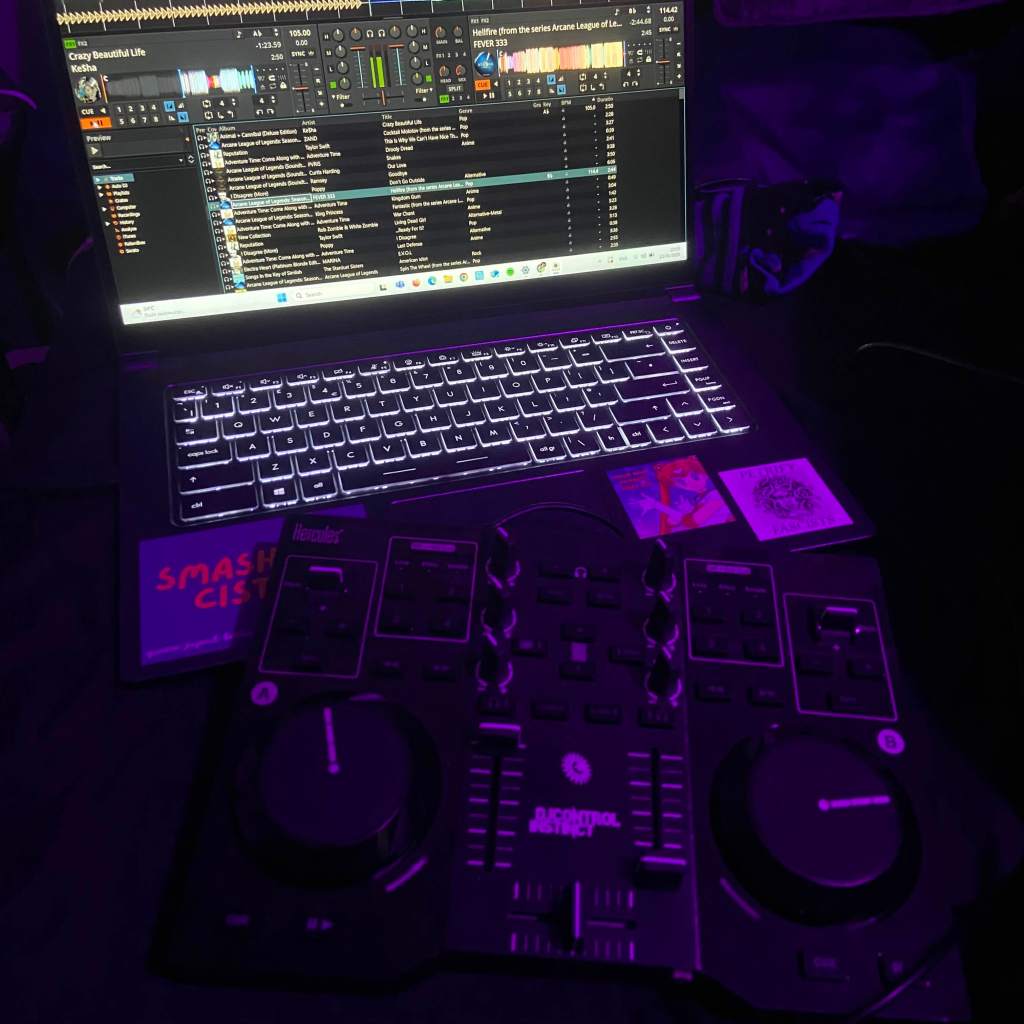
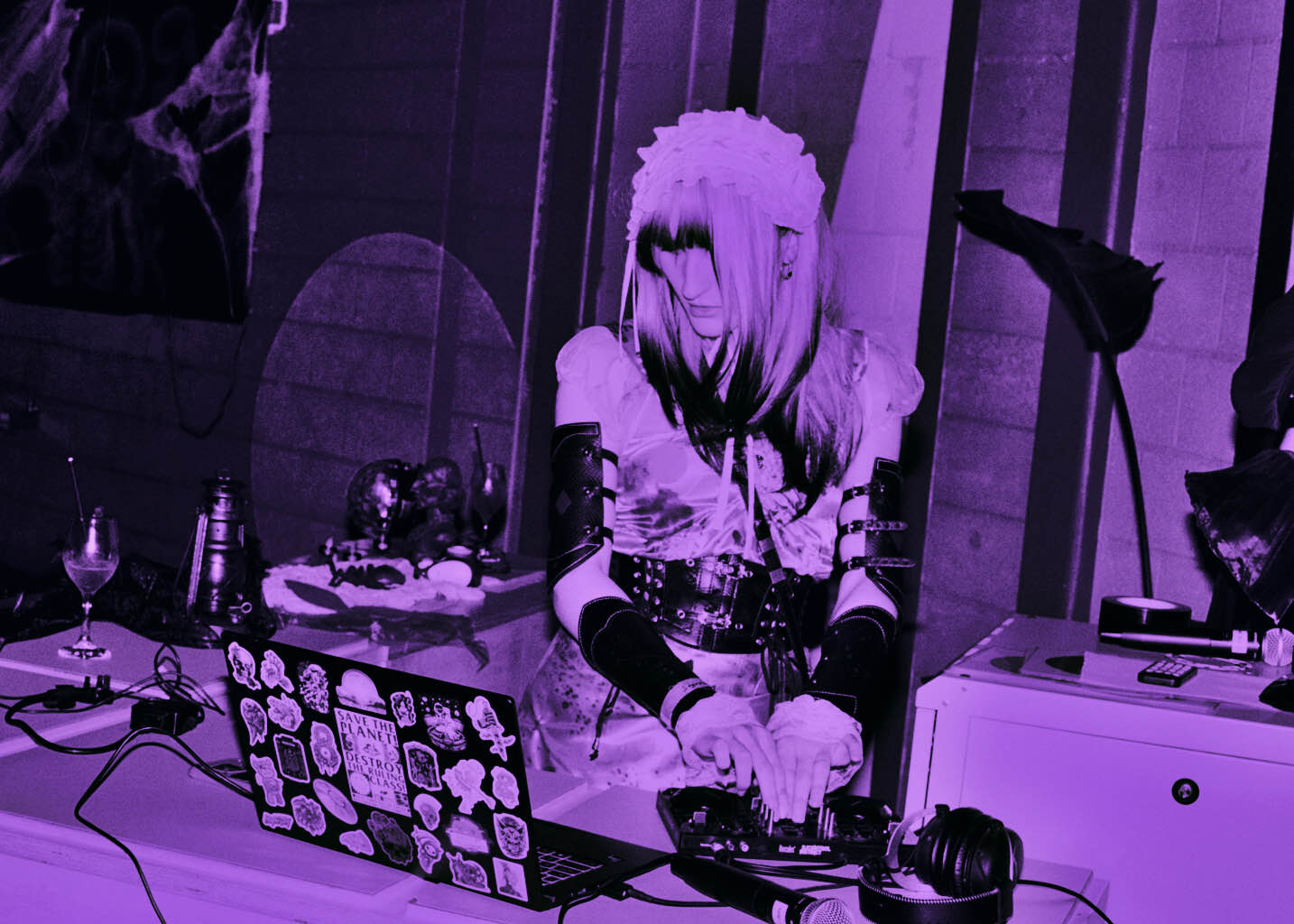
I was approached by a member of staff who knew of my skillset in DJing to DJ for the upcoming college ComicCon as well as the Cosplay Runway. I was in a chat room for the colleges Dungeons & Dragons club so I asked if anyone had any music suggestions. I made a playlist consisting of suggestions from peers, video game music, anime music, vocaloid as well as classic video-gamey pop tunes I knew would get the crowd going as well as preparing the track for the cosplay runway which was a instrumental song with a video-gamey sound.
I downloaded all the songs on the playlist as FLAC files and practised the my set and different fun transitions for 3 hours the night before ComicCon day in preperation. When I DJ I always have 2-4 song planned transitions, but I have learned that you need to be flexible when DJing as what you plan might not always suit the vibe on the day.
Week Four
Rap
Rap is an iconic form of musical expression with its roots in rhythm, rhyme and rebellion. With its combined poeticism and unique performance style rap gives artists a unique voice to articulate their feelings, identity, suffering, pride and power. It’s not all slick rhymes, its also about delivery, presence and honesty. For all rappers including myself rap has become a mirror and a megaphone: a change for us to show our truths and spread our words further than they might otherwise travel
Coming to understand rap and its history, I’ve gained an understanding of the subtle but immense difference between freestyle rap and written rap-both vital to the culture but for different creative purposes.
Freestyle rap is improvisational meaning its created on the spot, often with little to no preperation. It is a display of an artists quick-witted intelligence and innate rhythm. Freestyles might be completely off-the-dome or loosely made up using pre-prepared bars that are improvised in the moment. For me it’s a mixture of both.
Freestyling is often used to flaunt technical lyrical ability, test out ideas or respond to a beat, something or someone off-the-cuff. On my freestyle “Hellhound,” I let instinct guide the verse, prioritising momentum over being perfect. It wasn’t about being one hundred percent polished, but about presence and showcasing something raw and real and to give a view into my musical world.
↑ ↑ ↑ CLICK HERE to listen to my freestyle rap “Hellhound” ↑ ↑ ↑CLICK HERE for the lyrics to my Freestyle Rap “Hellhound” ← ← ←
Stomping down the street In my big c*nty boots With my girlies, we’re the baddest Staying spooky, these my boos You don’t see this on the daily We’re like Harajuku cute Bloodsucking Freaks got a craving for the lewd
You’re dealing with the baddest so you better not bother Your a*s gone be grass like a lamb to the slaughter Bite you by the neck, bulldog to chihuahua Ma kref sama polska, little miss Warszawa
I shoot up my mones so I’m calling the shots He know what he like and he like me a lot I’m little miss perfect, cross the T, I on the dot A*s fat, clap back, I know just the spot Chew off your uh, then I’ll rip your face off Shove you in the over like great british bake off Waist so slim, reads so shady You can call me transfeminem baby
Pre-written rap, however, is manufactured. It gives artists time to perfect metaphors, figure out punchlines, and cement their flow. These are the verses that tend to find their way onto records and they reflect a far more deliberate artistic vision.
Pre-written rap enables storytelling, more profound themes, and technical skill. It’s where a lot of artists showcase their entire lyrical lexicon.
My verse on “Call You Up” was written line-by-line with careful rhythm and emotional resonance. I used structure to maximize meaning, making each word count. Pre writing my rap allowed me to flex more complex
Freestyled content is seldom put on albums, EPs, or singles. Kendrick Lamar and Nicki Minaj for exaple are renowned for highly conceptual and technically precise lyricism in their raps.
↑ ↑ ↑ CLICK HERE to listen to my pre-written verse on “Call You Up” ↑ ↑ ↑
Week Five
The Industry: Passion into Product
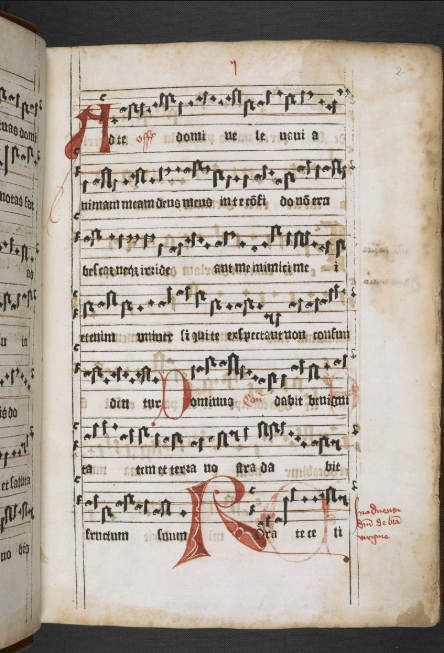
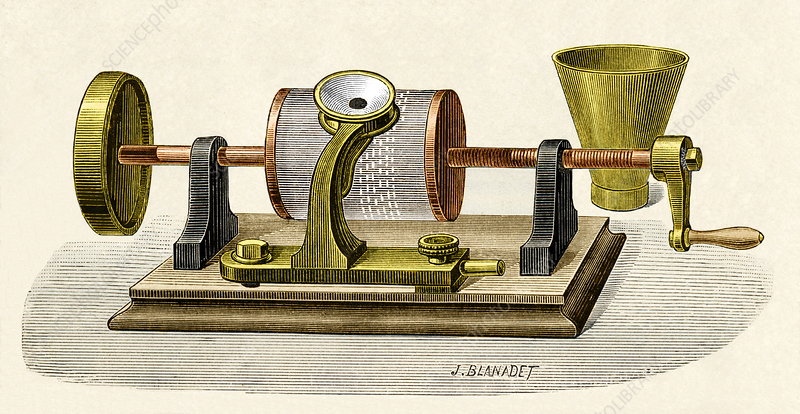
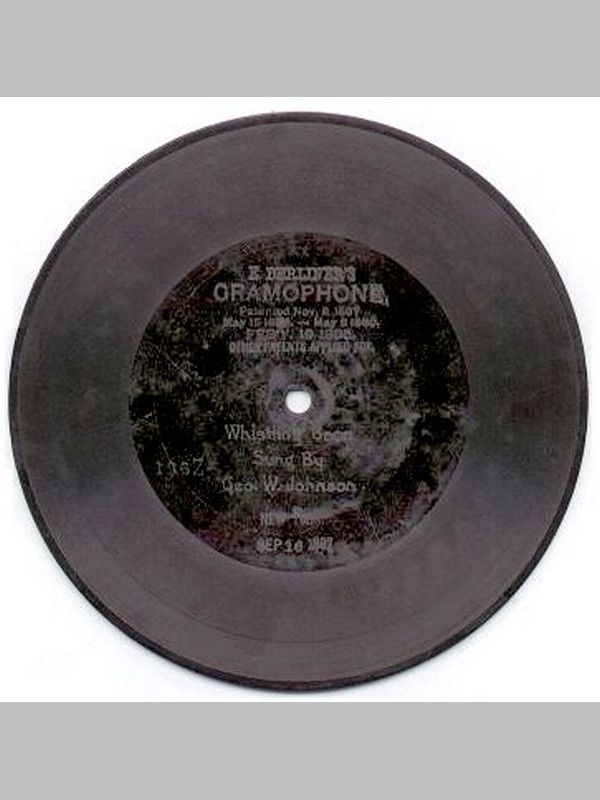
The music industry has evolved over time, but the commercial history really began with the distribution of physical formats. Before the current era of streaming and digital releases, songs were distributed as tangible product, firstly as sheet music in the early 16th century, with the inventon of the printing press in 1440. The first sheet music made with a printing press was made in 1473. The first tangible piece of music that you could purchase and play as a product were phonograph cylinders. By the 1970s, record labels had created a full ecosystem-including recording, publishing, promotion, touring, and rights management-transforming music into a structured business.
Era
Format
Commercial Shift
1500s onwards
Sheet Music
Focus on literacy & home musicianship
1900s
Records
Mass listening at home
1920s
Radio
Free, national access
1950s
Vinyl Singles
Youth market & jukeboxes
1980s
CDs
Digital Hi-Fi & Mass Sales
2000s
Downloads
Online Ownership
2010s
Streaming
Easy access > Ownership
2020s
AI/Resurgence of Live Music
Decentralized and experimental
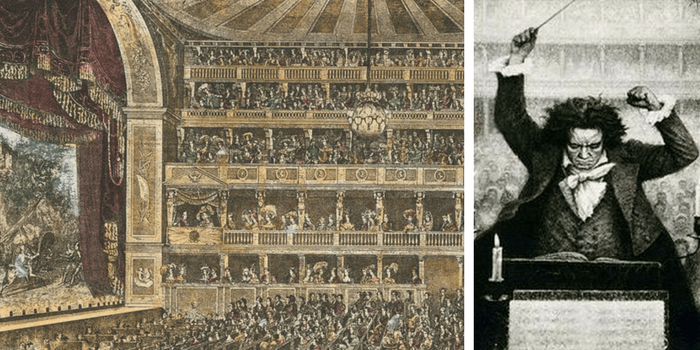
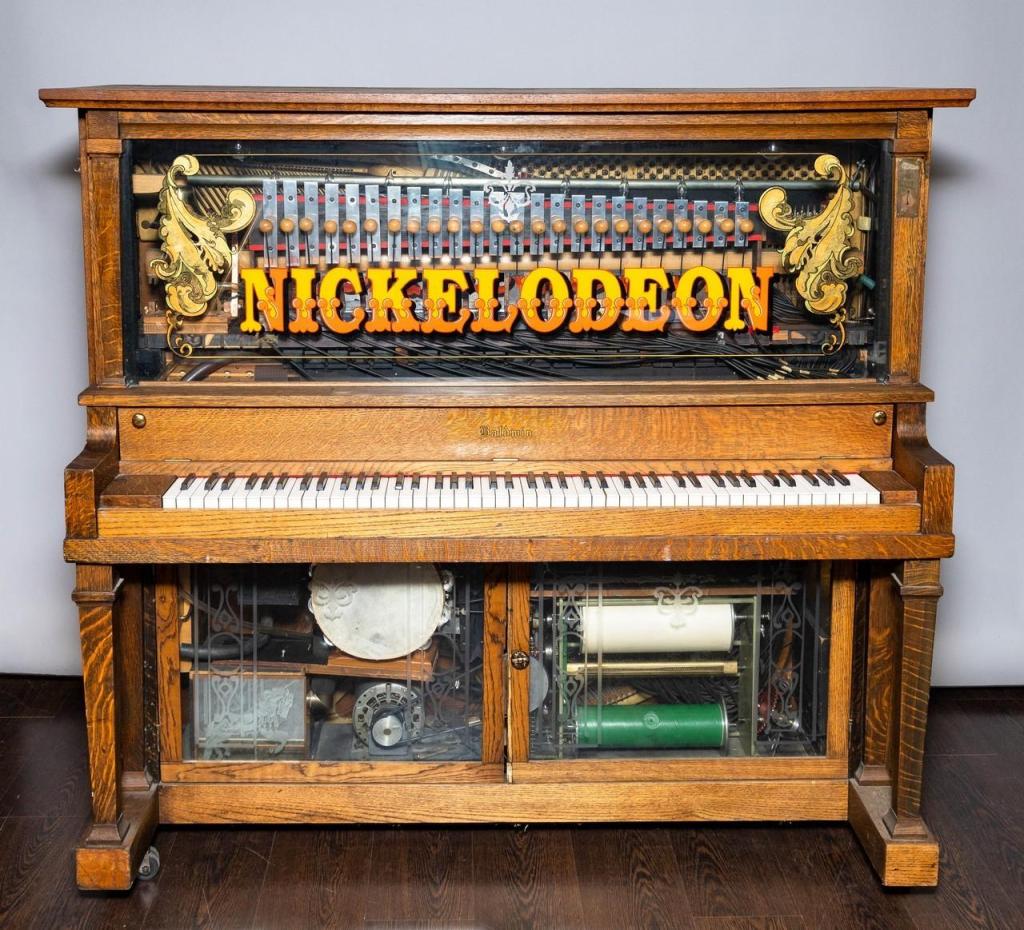
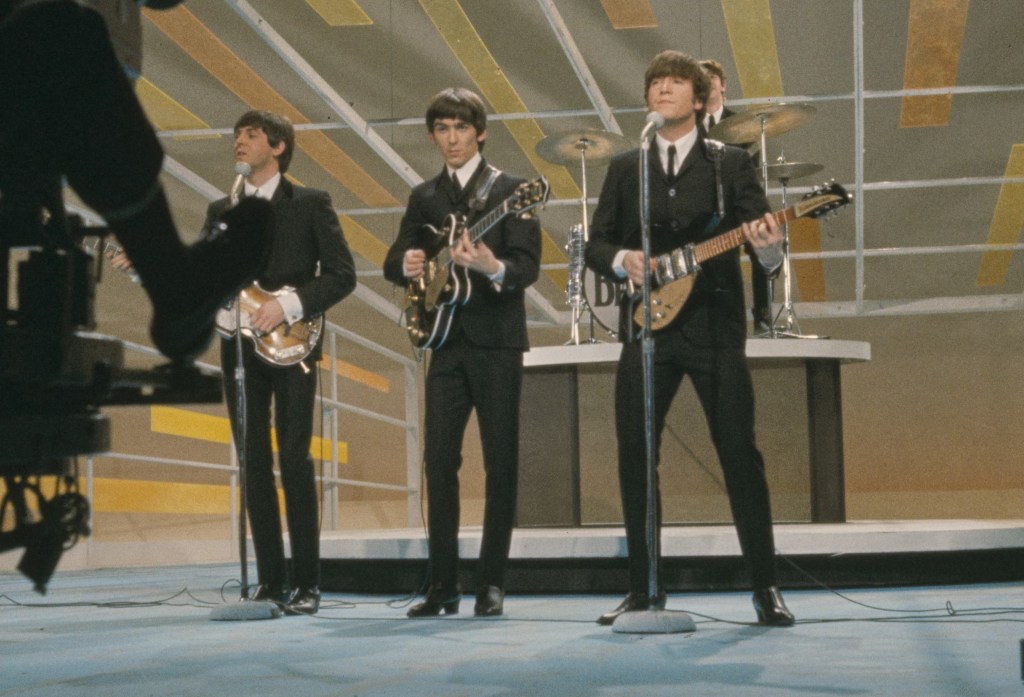
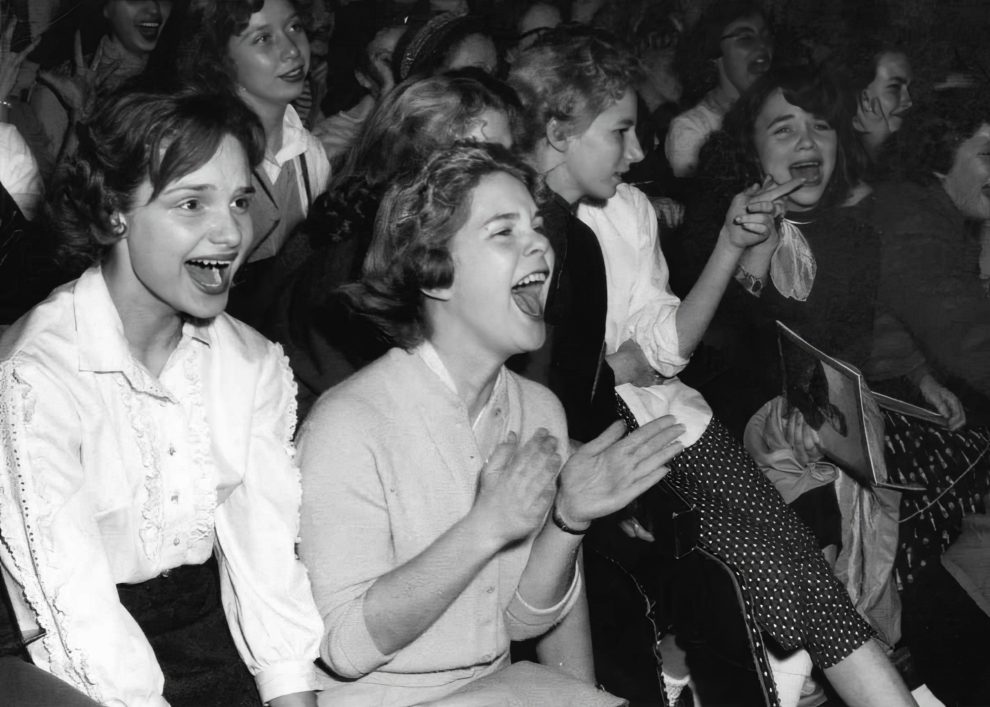
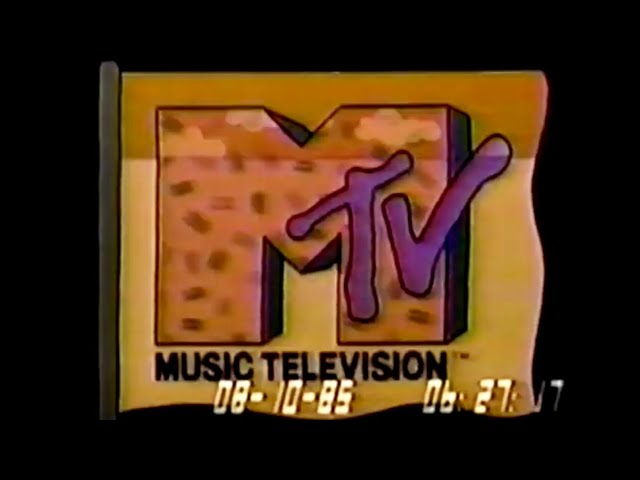
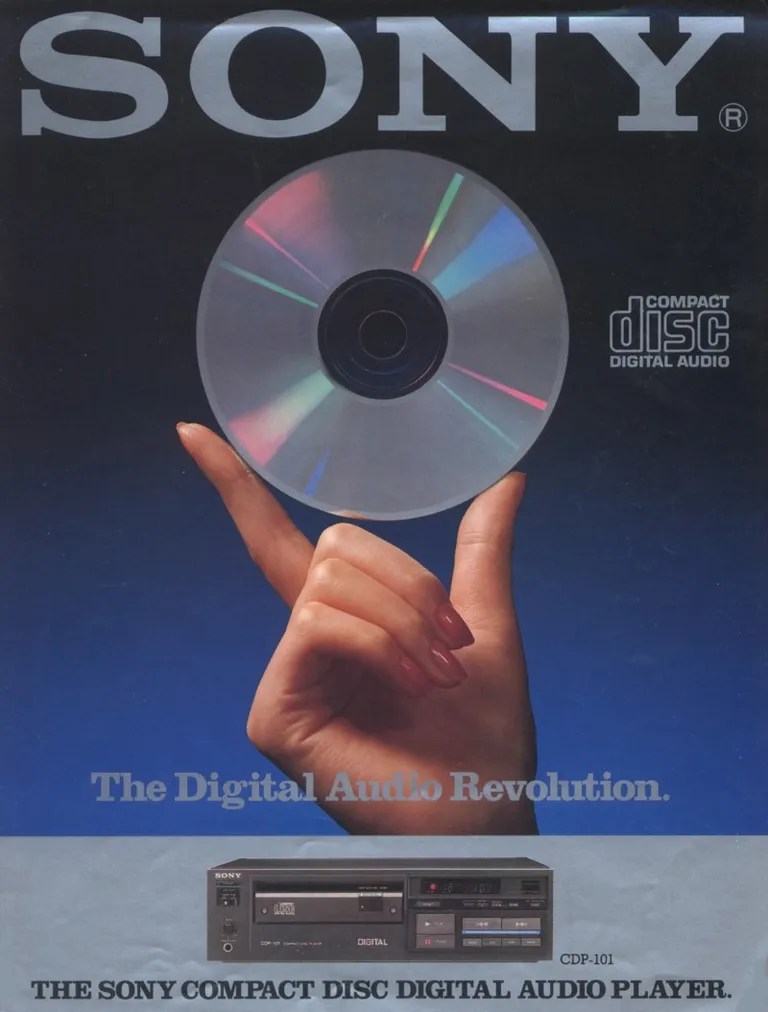
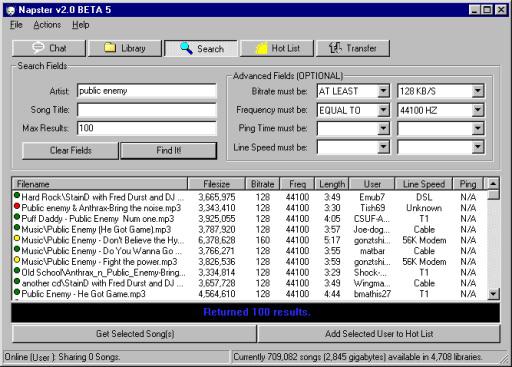
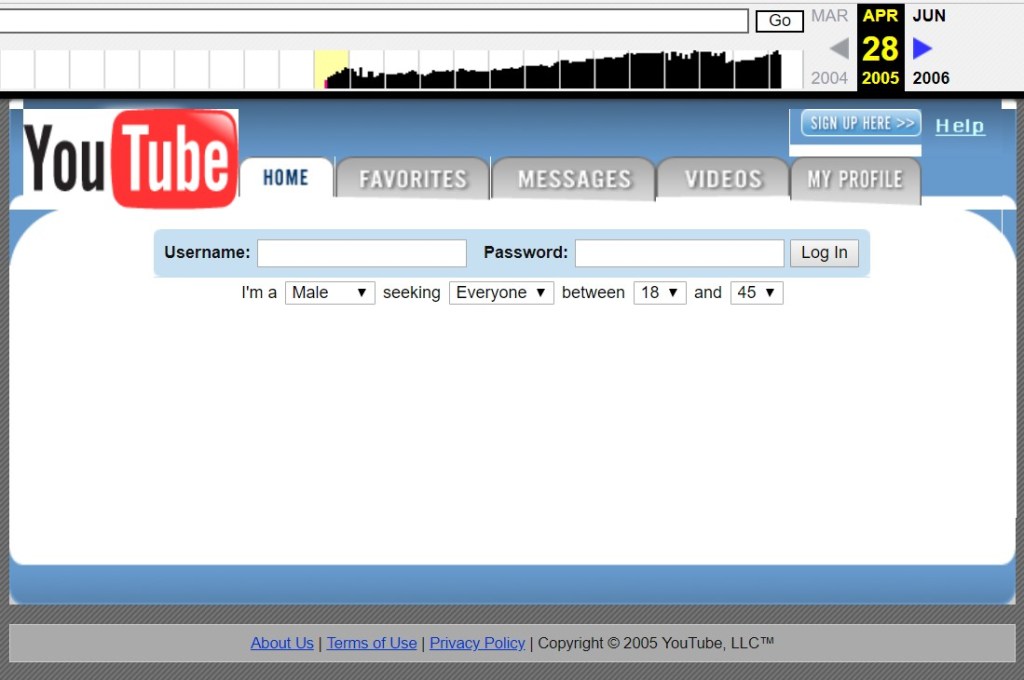
Gallery of cultural shifts that affected the Music IndustryBeethoven in concertFirst printed sheet musicNickelodenFirst phonographFirst LPThe Beatles on Ed Sullivan 1965Teen Elvis fansMTV 1985Invention of CDsiPhone ReleasediTunes 2003Youtube 2005
What is an Industry Professional?
The contemporary music industry features many important players that each play their part in getting music from their heads, to the studio, onto streaming services and tours and creating revenue: songwriters, singers, producers and all kids of musicians, A&R reps, label bosses, lawyers, promoters, managers, and more each play a crucial role into turning songs into profitable producuts.
The Art to Commerce Pipeline
The path from music to market typically goes as follows:
Artists create music
↓
A&R scouting & signing
↓
Recording/production with budget & studio time
↓
Marketing & branding, including visual identity and social media
↓
Distribution & promotion, including streaming, radio, and live performance
↓
Licensing, touring, and future income streams
For this section I decided to interview Ari<3 a small artist from London who has experience getting signed to a small label and getting her music distributed by them.
↑ ↑ ↑ Interview with artist Ari<3 about her experiences as an independent artist.↑ ↑ ↑»CLICK HERE« for interview transcript.
What’s your name, how old are you, and what kind of music do you make?
My name is Ari. I’m 18—just turned, like, fifteen days ago.
I make hip-hop, jazz, jungle, house... just all sorts of electronic music.
Yeah, I make too many genres.

How and when did you start producing and releasing music?
I started producing when I was, I don’t know, 11 or 12.
My dad showed me how to use FL Studio, and I started out making really bad trap beats.
Then I moved into lo-fi, but I got bored of that. I barely made music for a few years.

Around 14 or 15, I got more into it again—especially during a really bad depressive episode. Music was kind of my only savior at that time. I was making stuff every day—sometimes four to six beats a day. That’s when I started getting into classic ’90s hip-hop beats.

Eventually, I went to a few music events, and a label reached out. They wanted to release an EP with me, so I released Rainforest with them. That was my first proper release. I don’t work with that label anymore—I release independently now.

How did you go about releasing your music, and why?
Well, I kind of skipped ahead... but basically, the label seemed like the easiest way to start.
It just worked.

Now I release independently because I don’t really like working with labels—especially if I don’t know the people personally.

Would you consider signing a record deal?
Yeah, for sure—if it was a good contract.
I’d definitely want creative control, and I’d probably negotiate everything.
But yeah, if the money and the terms were right, I could do it.

What’s your dream when it comes to music?
That’s a hard one. I think my dream is to play with other people—to meet people I really connect with and jam, improvise, especially jazz stuff.
Also, just to make good music with people I trust.

What’s stopping you from getting there?
Time. Meeting the right people takes time and effort. But I’ll get there eventually.

How do you feel about where the music industry is headed?
It’s gotten to a point where I don’t even think about it anymore.
It’s not going in a good direction, but that’s just a reflection of how everything is structured—our society, our economy.

I’ve had to separate music as an art form from the industry itself.
They’re two completely different things.

What’s something that scares you about your future in the music industry?
Honestly? Nothing.
I’m not scared—because I don’t even know if I’ll have a future in the music industry.
It’s not a priority. If it happens, cool. If not, also cool.

What’s one thing you’re looking forward to?
There’s too many things—big and small.
But I’m looking forward to my holiday. I think it’s in a couple weeks.
So yeah, that.

Thank you very much.
In The Studio with Industry Professionals
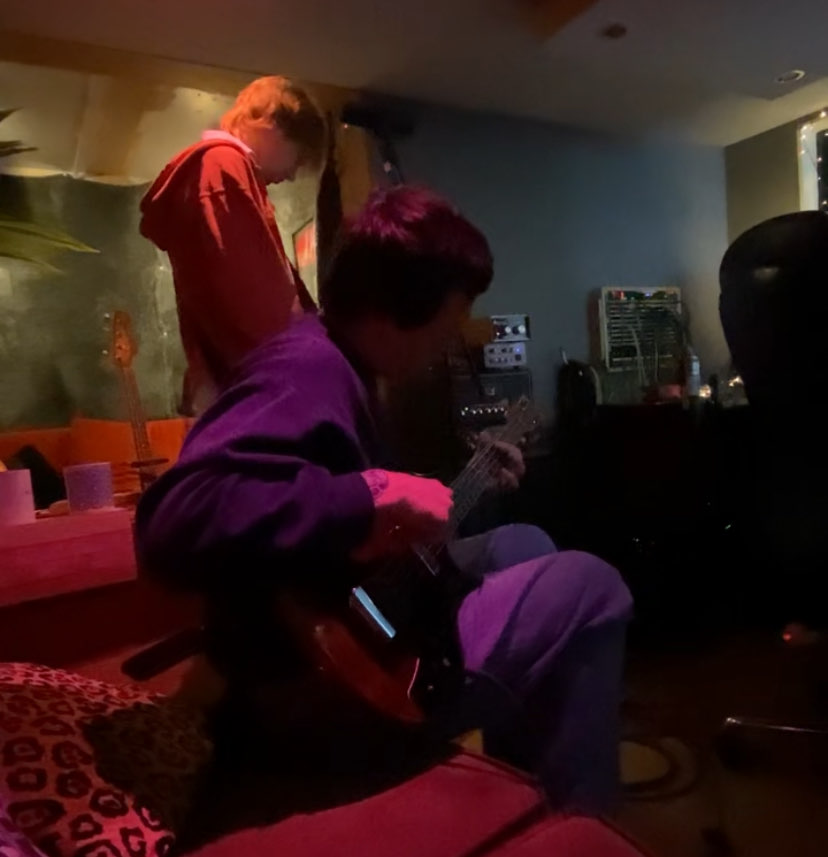
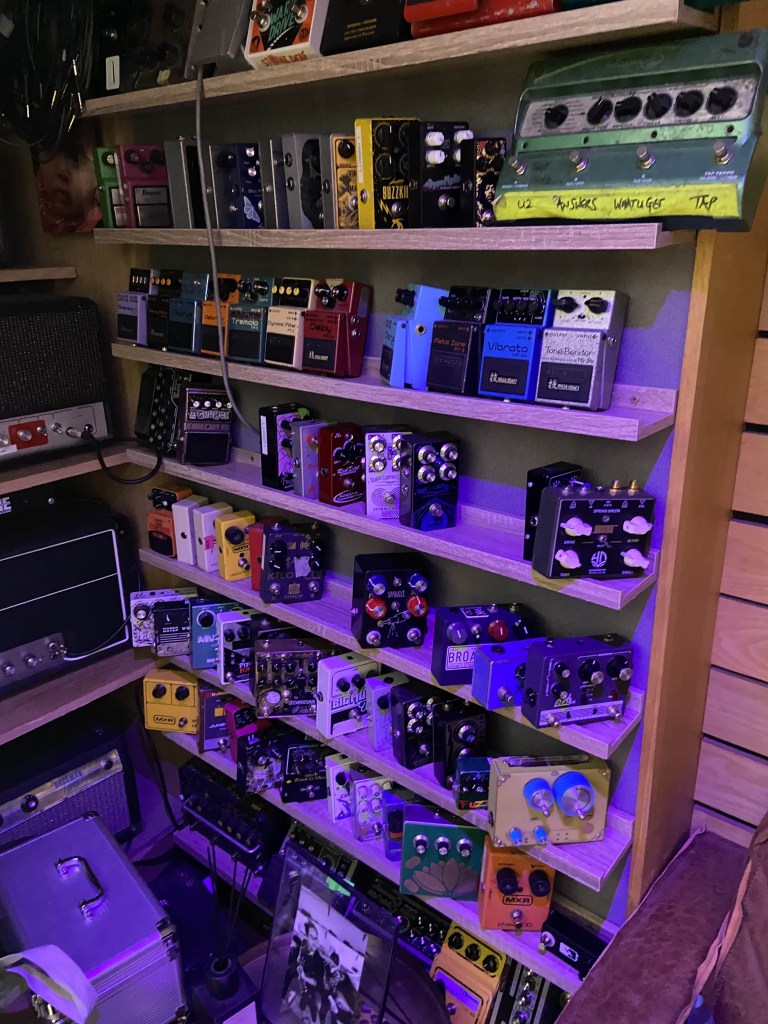
During the first few weeks of the FMP I emailed a lot of bands, venues, producers, rappers and artists and seldom got back to me. One band, called the Xcerts were gracious enough to let me spend multiple days with them at The Beehive Studio in Hertfordshire while they recorded their new album. Their producer taught me a lot about housekeeping during production, different tools and how to properly set up and mic up a drum kit, vocal studio and showed me their collection of pedals and kit. I spent most of my time observing and taking notes while helping the band set up and take down equipment, coiling cables and making coffee for them.
It was an incredible peek into the lives of working professional musicians and at the end of the three days we spent together Murray and Jordan sat down with me for an interview.
↑ ↑ ↑ Interview with The Xcerts at The Beehive Studio ↑ ↑ ↑»CLICK HERE« for a transcription of the interview I conducted with Murray and Jordan of The Xcerts
So, my name’s Sigourney, and I’m here with…
Murray I’m Murray from the band The Exerts. Why?
Sigourney So, so for your first two years, you, actually what am I doing? I’m trying to ask a question. How were your first two years as a band, would you say?
Murray I mean, our start in the industry was very pure and naive because of our environment really because we grew up in Aberdeen and this was pre-internet. So it was just a hobby to begin with, very much a hobby but I think maybe for myself and Jordan we quickly realised that it’s something we felt very passionately about.
But yeah, it was very much the DIY scene.
Jordan local band, try and get gigs at the local venue, have to sell a certain amount of tickets or you can’t play the gig kind of thing. Yeah.
Murray So in that regard, we did learn quite a bit about the music industry.
Jordan And then moving to Brighton, when we were 18, it sort of happened very quickly for us. We were lucky enough to get an agent and a manager quite quickly and just be put on the road.
A lot of bands don’t necessarily have that start, you know, they have to start in kind of dribs and drabs, but we were just put on the road. So we cut our teeth pretty quickly and got very used to just every venue in the country and sleeping on floors and being tired and playing to no one.
Murray so yeah I guess I guess that was kind of the way to do it for a lot of bands back then was just to just get in the van and go if you weren’t gonna sign with a label with a lot of money it was just like cool well we’ll go and do the work and we’ll take this we’ll take the music to the people yeah even though it was only like three people up and down the country in total
Sigourney You did manage to get signed though, right? You got signed to one records, I think? Yeah, that was your first one, right?
Jordan single deal. Yeah, single deal. It’s like seven inches.
Murray I don’t even think that like they do single deals anymore because they’re so basically it was the safest way for a label to secure a band that they weren’t sure about but if it took off they had them. So we actually had a couple of single deals over the year.
Yes. So you hopped around. Yeah they were like there’s something here. Maybe they’ll be big. We can’t see it.
Jordan But let’s sign them for a single video just to be safe because if they take off then we got we got yes
Murray Yeah, because Biffy, Clyro had kind of done The Unthinkable and became one of the UK’s biggest bands, which was not kind of meant to be for them. They, because they were, they were like the smallest band of 100 Reasons generation. Remember when, like, back then they were like at the bottom of the peck order. So I think when they blew up, that’s when a few people were like, Oh God, we need the next Biffy and the excerpts are on our radar.
So here’s the single deal that will tie you in, in case it takes off. So yeah, that was like our first real introduction to labels. And then we got signed to an independent called Extra Mile.
Jordan So yeah, we were on an indie for the first three records, and it was nice to see the industry from that side. They very much were an indie, it was 50-50, everything, kind of grassroots, everyone was really nice.
Yeah, it was a good experience.
Murray Yeah, totally.
Sigourney Yeah, so how did it feel like navigating the industry because you’re really young, you know, you’re going from label to label. How did that feel in the moment while it was all happening, those first few years?
Like, let’s see. Like, confusing. Just confusing. I didn’t really know what we were doing.
Murray It was like so confusing that we didn’t really think about it
Jordan Can I have the adults tell you like, okay, you’re gonna sign this deal now and you go, okay, I don’t really know what that means
Murray Yeah, totally. Because we also had Sam Duckworth from…
Jordan Yeah, mannequin.
Murray mannequin republics. It was time, extra mole, won records, then it was regal
Jordan We were like demoing for majors, so many majors like gave us money to make devos that just came to nothing but like we seemed to always be in the studio making songs that no one would do on like Universal’s dime and it was amazing.
Murray Yeah, I think there was always that kind of optimism or like dumb faith that we were like, oh yeah, one of these will work. They’re all asking us to record for them, one of them will work. And then when it didn’t, it was like, well, that’s cool because we are being afforded the chance to record with this other label. So it’s fine.
I think because we had done so much ourselves when we were younger, I don’t know. I think we were pretty self-reliant and resilient because we, again, going back to this, us starting when we were 14, it’s like we were playing in a lot of uncomfortable situations where we would have to impress people in their mid-20s who were 10 years older than us. And we would walk in a little bit like a freak show because we were about this big. Yeah, we were, again, we were well liked by our local music scene and the people that ran venues. So even when we were too young to play, they were like, get on in here, just play.
Jordan and then get out. You can play but you can’t be in there because you’re not. It’s a way outside.
Murray on and play the game. Yeah so I do think that set us up well and yeah we didn’t know much about it.
Maybe we also thought, I’m not 100% but I think maybe we thought at the time that’s just how the industry works. Yeah. Everybody else was going through what we were going through.
Jordan The department, yeah, it’s just assuming that people know what they’re doing and now we’re older and you go, oh, no one really knows what they’re doing. Like, you assume that someone in charge must know and have a plan, but that isn’t actually the case. Yeah.
Murray I remember speaking to other bands at the time as well when we started discovering that they had one label because they were successful. And they bid on that label for three hours.
What? Seriously? Oh right, why? It’s so weird. It’s so weird that you have support and money.
Sigourney You are on One Day Will Know, you’ve stuck with Regan for a while, right? Uh, we-
Murray We’ve been off the…
Jordan record for the last record we were with them for a long time yeah they were our management and then we sort of self-released
Sigourney So you’re self-releasing now? No. It’s still going on. It’s still going on.
Jordan Go for one record.
Sigourney I remember when we used to pop from…
Murray Yeah, well, yes, we did two on Extra Mile, one on Ray Gun, the next one was The Orchard, then we signed the Unified. And now?
And now we’re about to sign to a different label. We’re back to this, one label for one album.
Jordan And they go, yeah, we don’t want you to do another one. And you go, okay, cool, we’ll get another label then. And you just get another one.
Murray You’d have to be the one where the industry goes, no more! If this one doesn’t really hit, yeah! You fooled us five times!
Jordan Alright? Shame on you.
Murray The problem is, on our fourth album, we got a Top 40 record, so everybody came back and was like, you are going to be that band that we all thought you were going to be. Yeah, we knew you could do it.
We’re very fortunate though.
Sigourney You’ve been a band for 15 years, 20 years, 2 decades, and you’ve stuck through it, so obviously ups and downs, jumping from, you know, label to label to label to label to label to label to label, but there must be like some joy in it, right?
Jordan Yeah, we wouldn’t do it otherwise. It’s the funnest job in the world.
Murray also those circumstances with the labels it wasn’t like other acts who get dropped by a major and then you’re in real trouble because independents know how much has been spent on you and they’re kind of a bit like I can’t really touch that because you had all the opportunities yeah so we never actually had that so it never felt like nobody our manager never called and was like you’ve been dropped it’s just like well we signed a one-album deal yeah yeah that’s done now do they want to keep going no cool you know so that was never read the label stuff was never really a low for us there was worrying times where we may have thought like oh no we’re not gonna get picked up by someone else yeah always gonna happen but those were like
Jordan How’s really like having a label for your whole career that sticks with you through thick and thin It just isn’t really a thing or it doesn’t have to be a thing like it’s we’ve been able to do it sort of label to Label yeah, and then they don’t pick up the option and then you’re kind of twisting in the wind and you go cool We just find another one. Yeah, they’re just facilitators Yeah, and I think they know that now because so many artists are just self-releasing and yeah are cutting out that middle man Yeah, that’s a pretty
Sigourney New things are right like back in the day. It’s like you wouldn’t you need a little you need it I don’t and they know that yeah, so it’s
Jordan Maybe a little easier to just get like one-off deals here and there. Yeah
Murray yeah because we’ve gone off track there yes there are loads of highs yeah yeah yeah of course otherwise we chat about this all the time it would be so easy for us to stop yeah and you know we’ve spoken to people in the industry who years ago not anymore but they were like you know if you just change your band name and start it again you probably get a major label deal yeah so well cool that’s not what this is about yeah like yeah I mean that just kind of shows that there’s not much integrity yeah the buildings of major labels yeah
Sigourney So there’s been scary or maybe confusing times in your career, like 20 years, label to label. For sure. Is there any advice that you’d give to your younger self, just growing into this industry?
Jordan Um, that’s a good question, that’s a good question, uh, um, oh yeah.
Jordan I mean, I feel like I want to say, like, pay more attention. Yeah. Because I wasn’t. I was just kind of assuming that the adults knew what they were doing. And now I’m old enough to be like, no, none of you fucking know what you’re doing. I should have paid more attention.
Yeah. And had the balls to fire people if they weren’t good at their job or like, you know, something like that. We were just kind of scared little kids that assumed that people were working their asses up for us as opposed to the reality, which is, you know, they’re working the bare minimum for you. Yeah, totally. So, like, sack that guy. Yeah. If he sucks, get rid of him. Or she. Yeah. Ooh. Yeah.
Jordan Yeah, buying all the money and I think, yeah, an awareness of, yeah, the positions that you’re in with the people that you’re speaking to and also, I personally wish, we weren’t that interested in about that, but I wish I’d taken more notice and interest of our aesthetic.
Yeah. When we first started. Yeah, that was not.
Jordan a thing that we considered you just dress how you dress yeah
Jordan artwork was always great and younger but like just I still see it now though with a younger artist it’s like it sounds really kind of crass to talk about it but it’s so unbelievably important and as soon as we started uh you know really caring about it things started to change for us. It’s so much about image.
So much yeah so so much I mean for a lot of artists it’s the only thing sure. Name that name. Because it’s totally fun like it’s like zero hate and that it’s like that’s just part of the whole thing it’s all art.
Jordan music is art, how you look, how you present yourself, it’s like theater. Yeah, totally.
Jordan yeah that would be both both those things I think yeah just an overall awareness rather than blindly thinking that cool I’m gonna spend the rest of my life in a van with my best friend
Jordan I’m going to wear the same pair of jeans for 15 years, and that’s chill.
Jordan yeah and how you want to be portrayed as well yeah um yeah we were so kind of just nervous terrified young men and which is which is totally fine but you know a prince had that when he had his first tv interview he came across really shy and the guy made a joke about him in prince didn’t say anything and then apparently from that day onwards he was like here’s my character yeah so i wish again that’s kind of tying into the just an awareness thing i wish we had because we we met some people that kind of probably put us down or said things that kind of hurt you know and then that should have been like oh fucking hell no yeah that should have been the fuel that should have been the moment where it’s like this is how we’re going to conduct ourselves as a unit yeah but i think we were probably all just so young and a bit scared to talk about our feelings to one another yeah
Jordan So just confidence really being confident in yourself in every aspect of what you’re doing. Yeah. Yeah. Yeah people dictator control
Jordan you’re doing it’s it’s your choice to do that it was our choice to do this so it’s like gonna do that do the confidence yeah yeah I have to do anything else totally that’s great yeah
Sigourney I do have one last question. Cool. So obviously you’ve been in the industry a hot minute now, you’ve seen the landscape change into what it is now. If you were talking to a young kid trying to get their start in the industry, what would you tell them?
Like what is the, or like what are some differences between then and now? How is it evolving? You know what I mean?
Jordan One thing that isn’t different that I think should be hammered home to young artists is that it’s predominantly all about the music. Yeah. I know we’ve just had this conversation of like aesthetic is so important and it is but in order in order to really succeed and not kind of be a fleeting moment, it’s great songs will last.
That’s why I don’t know all these artists from way back when are getting referenced, the artists that are getting referenced were phenomenal, like phenomenal songs, whether it be Fleetwood Mac to Radiohead to like Fortet had a moment again recently. It’s so important because I think nowadays as well in the industry everyone’s telling you that you have to TikTok the most important thing, Instagram is the second most important thing, your image, this, this, this and nobody’s actually like, you should just write a great song. Yeah, make good art. Yeah.
Jordan and like there’s no there’s no traditional ANLR people anymore like yes it’s more about like the TikTok followers and Instagram stuff there’s no one going like well let’s look at these fucking songs how can we make these as good as possible
Jordan possible yeah it’s it’s always been the the thing if you’re a musician it’s like and I think nowadays we are celebrating low-hanging fruit a lot of the time in regards to the music yeah a lot of American tat mm-hmm I think we all know that’s okay yeah
Sigourney section in my project about the oh and that’s not on the recording
Jordan Sub headline, American tap.
Jordan No, not just American, but yeah because people aren’t too fussed about writing great songs because they can become huge off the back
Sigourney and you think ice spice isn’t the modern Shakespeare.
Jordan Weirdly, I do. Yeah, I agree, I agree.
Jordan This is okay man, I wasn’t talking about ice necessarily.
Jordan No, I wasn’t either. Same flow in every song, but it’s not quite Kendrick either. Whoa.
Sigourney So you hate women. Oh, who said that? Whoa! Who said that?
Jordan How can I hate women? My mom’s one. Yeah. That’s so true. Okay. I mean, that’s all.
Sigourney questions thank you so much guys of all my opportunities so far this is by far been the most recent
Jordan I was like, Hey, my pleasure.
Jordan and Murrays experiences were extremely important and made me think a lot about my own future in the music industry. Being dropped and hopping from label to label seemed stressful, but allowed them to keep on making art which they found joy in and was creatively fulfilling. Even through the stress of bureaucracy their artistry always managed to trump the industry’s lack of proper support for artists.
I felt I picked up a lot about the resilience it takes to navigate the industry as a young artist. Jordan and Murray reinforce that “good music lasts” longer than today’s social-media fixations, but to still focus on having a strong point of view and image as an artist. This give and take showed how success in the industry often comes at the price of having to boil oneself down for easy consumption by an audience, a difficult but necessary aspect of being a modern musician but still a necessary one to get your foot in the door.
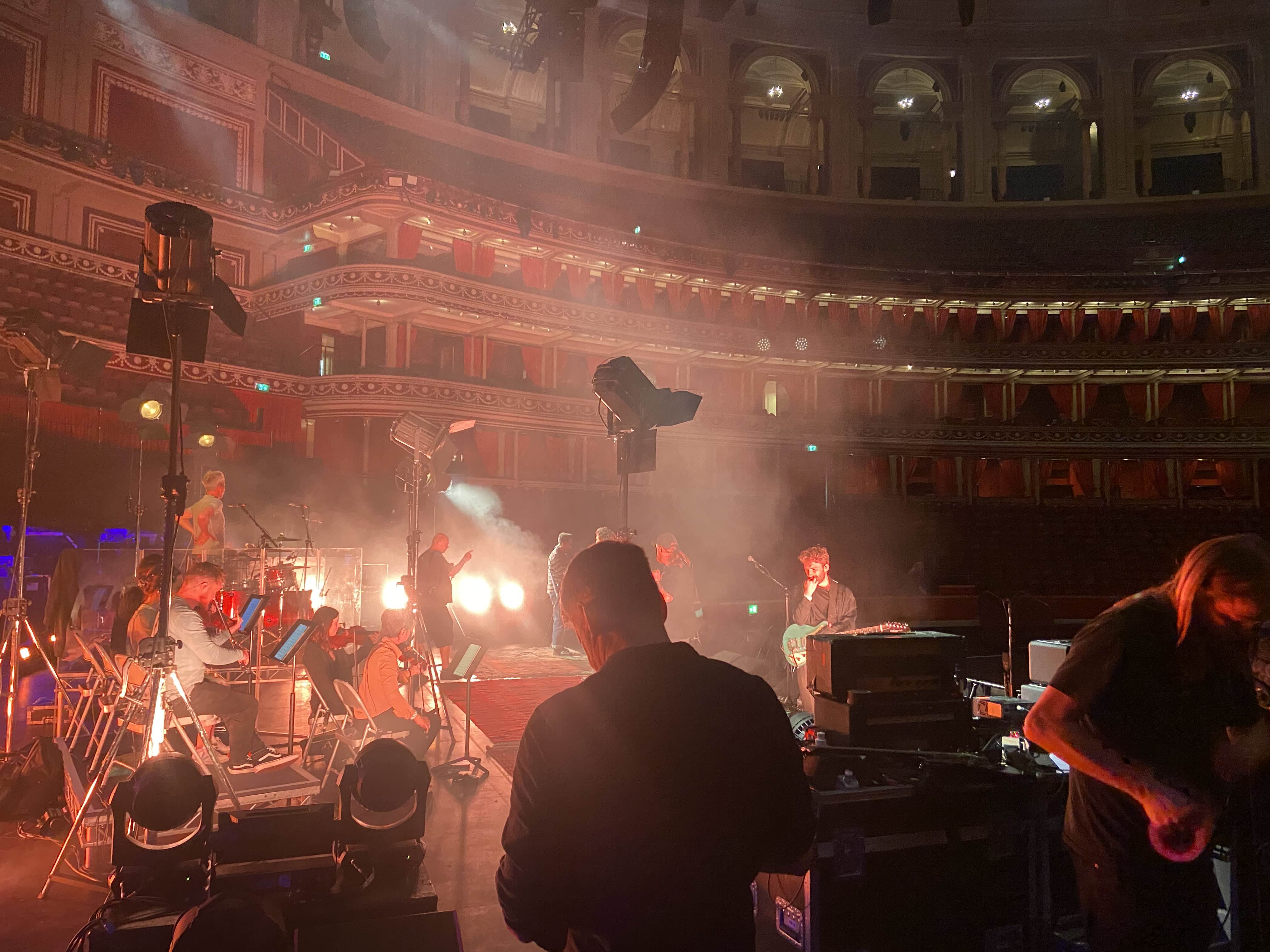
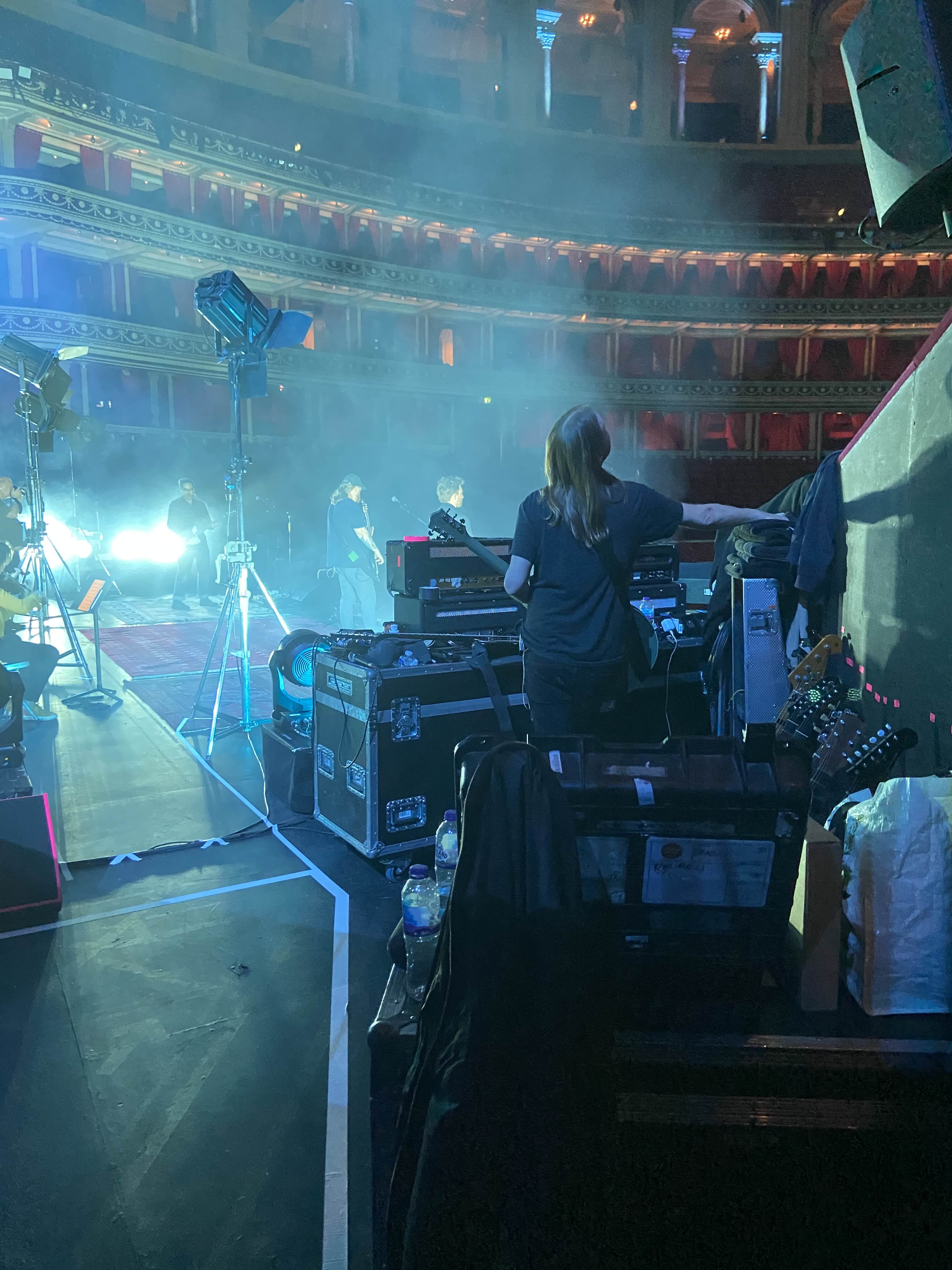
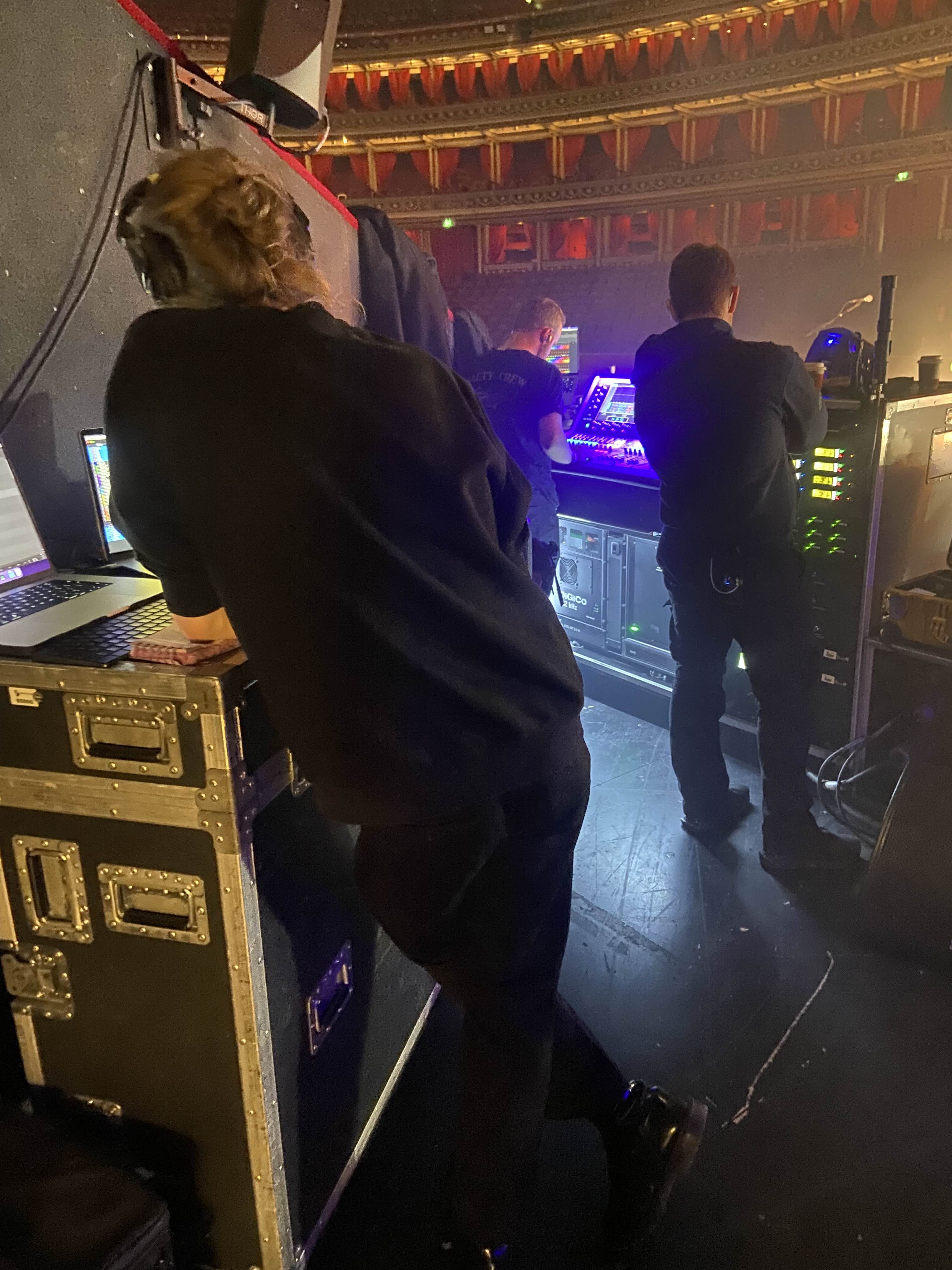
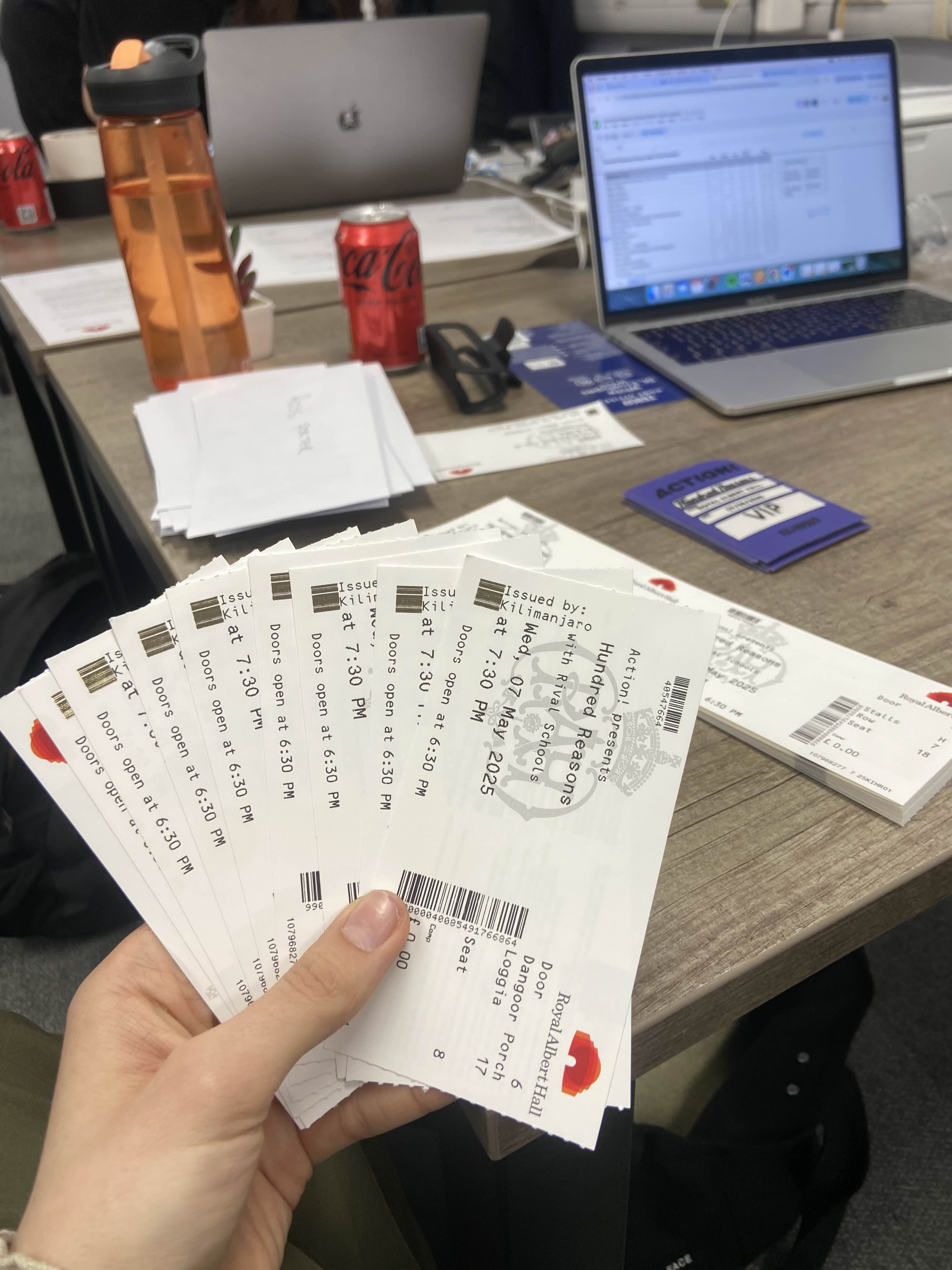
Although it wasn’t til weeks later, another artist I reached out to got back to me and let me have an incredible experience, this time backstage at The Royal Albert Hall at the Hundred Reasons show. Larry, the producer and guitarist of the band was kind enough to get me an AAA backstage pass where I worked with the bands manager on sorting the guest list tickets as well as getting time to pester The Royal Albert hall crew with questions about how their sound systems worked and the acoustics of the space. I sat down with Larry in their dressing room and interviewed him.
↑ ↑ ↑ Interview with Larry of Hundred Reasons backstage at The Royal Albert Hall ↑ ↑ ↑»CLICK HERE« for a transcription of the interview I conducted with Larry of Hundred Reasons
Sigourney
Hello, I'm Sigourney. I'm here with...

Larry
Larry. Larry Hibbit.

Sigourney
Larry from the band Hundred Reasons. I'm conducting this interview for a project exploring perspectives across the music industry—from artists and producers to consumers.

You started pretty young, right? Around 15?

Larry
Yeah, I was about 15 when I got into playing music—specifically band music. But I really started around 13 or 14. I did terribly at school, couldn’t apply myself at all.

Sigourney
Hey, twin.

Larry
Yeah, same. Later found out I had ADHD—which made a lot of sense. People like us tend to gravitate toward creative stuff—we need something that keeps our brains busy.

So, I wasn’t doing great in school, but I was using my time well otherwise. I found friends from different schools, including mine, and we connected through a youth club that had a recording studio. That became my space. I’d record friends’ bands and organize gig nights at Heatham House in Twickenham. Eventually, we had hundreds of people coming to those shows.

So yeah, it never felt like a conscious decision to make music. It wasn’t some big career plan—it just felt like the only thing I could do.

Sigourney
And Heatham House—that’s the one near Richmond College, right?

Larry
Yeah, that’s the one. Legendary spot.

Sigourney
Did Hundred Reasons come out of that scene?

Larry
Not directly. My earlier bands did. I think we were some of the first kids to put on shows there. And I think those nights are still going, actually—feels like a nice legacy. Me and my friend Charlie—still one of my best mates—we built the stage and set up the lighting rig. It was all DIY. We were just trying to channel energy we didn’t know what to do with.

Sigourney
They should put a plaque up or something.

Larry
Honestly, they should.

Sigourney
So, how did Hundred Reasons come together?

Larry
That was a bit later. I joined when I was about 21 or 22. Before that, I’d been in a couple bands—played gigs, but nothing that really took off. Then I met the guys from a band called Floor. They were doing new metal. Dark stuff—but good.

I was in a pop-punk band called Jetpack, which wasn’t as good, if I’m honest. But we’d play shows together and had the same managers—a guy and a girl who worked at the Beggars Banquet record store in Kingston. That’s Banquet Records now.

Anyway, Floor kicked someone out, and I joined on guitar. That’s when we became Hundred Reasons. And when we started writing together, things just clicked. Suddenly people were interested. We weren’t chasing anymore—it just started happening.

One of our first gigs was a Kerrang! all-dayer at the old London Arena—what’s now the ExCeL Centre. We were first or second on, I think. Then the good support slots started rolling in. Within 18 months, we’d signed a record deal.

Sigourney
You went from Jetpack, to Floor, to Hundred Reasons, and got signed. What was that like?

Larry
We signed with Columbia Records. It was... fine? I mean, it was exciting, sure—but it wasn’t this big "we made it!" moment. It was more like, “Okay, cool. Now we can make an album.”

Financially, I actually took a pay cut leaving my call centre job to go full-time with the band. But it meant we could do the album properly—we flew to New York and worked with Dave Sardy, who we were all fans of. That wouldn’t have happened without Columbia.

Sigourney
And Columbia wasn’t the only label, right?

Larry
No, not at all. We were also on V2—which doesn’t exist anymore—and now we’re with So Recordings, a solid indie label.

We’ve had a bunch of different publishers too—EMI, Universal, Nettwerk... I was signed to SoRie Music Publishing for a while. You’re not a real band unless you’ve been dropped three times.

Sigourney
Facts. What’s it like navigating all of that? Honestly, that part of the industry scares me.

Larry
It is scary. It’s chaotic. No one really knows what they’re doing. It’s an industry of friends, connections, and a lot of blagging. I've always found it confusing and disorganized.

But the people who survive are the grafters, the hustlers—or the grifters. It’s not easy.

Sigourney
Still, you’re in it. So there’s got to be some joy.

Larry
Yeah, there is joy—sometimes. But it’s complicated. Like I said, it never really felt like I chose this. It was the only thing that made sense for me.

Sometimes I look at people with regular jobs and think, “God, imagine knowing the exact amount that’ll land in your account each month.” That’s never been my life. Being self-employed in music is a rollercoaster. You’ve got highs, lows, imposter syndrome—it never really goes away.

I’ve never sat back and gone, “This is amazing, everything’s great.” It’s not that kind of journey.

Sigourney
Let’s say you’re 20 again, at the top of the rollercoaster. Would you do anything differently?

Larry
No real regrets. I definitely made mistakes—did things wrong. But I don’t regret them.

If I could tell my younger self something, it’d be: learn to work smart instead of just working hard. I used to go all night, all day. It probably wasn’t healthy. But at the same time, I can’t even remember half of it—it’s been 25 years. So it’s hard to look back with too much judgment.

Sigourney
That’s everything. Thank you so much, seriously.

Larry
Thank you. That was great.
Week Six
Learning Guitar
Instruments have been at the heart of musical expression for centures. Instruments are not merely vehicles for music but extensions of artists themselves. They can turn abstract feelings and ideas into tangible sounds, giving us musicians a way to communicate without words.
For many people, building the skill to learn an instrument is an intimate process. I put it off for so long with fear that I won’t be good enough. It scared me and scratched at my ego as an artist. I landed on the song “Delete Forever” by Grimes as it had a relatively simple loop for the entire song
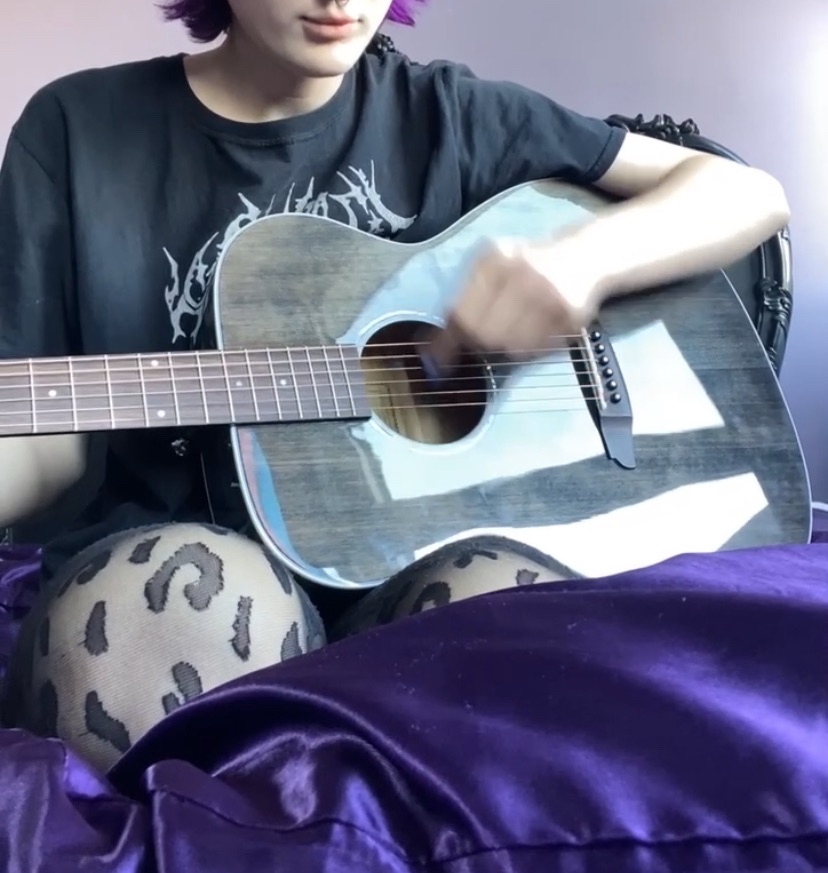
I decided to document how my practice went for three weeks until I got happy with how I played the song. CLICK HERE for image of me practising guitar for the first time✧・゚: *✧・゚:*
Week Four
Week Five
Week Six
Day 1-2 – Actively listening to New Gods multiple times both with and without lyrics.Found tabs on Ultimate Guitar, practised finger placements
Day 8-10 – Practiced full verse sections with strumming pattern, looped problem areas
Day 15-16 – Playing through the full song at maybe 80 or 90 percent of the original speed
Day 3-4 – Practiced each chord shape isolated and once I was happy with it learned to switch from one to the next
Day 11-12 – Kept practising transitions between chords with the strumming pattern
Day 17-18 – Recorded a rough version and reviewed what needed polishing, kept practising
Day 5-7 Practised switching between chords with a much slower tempo
Day 13-14 – Played along to a slowed down version of the track
Day 20 – Recorded the final version for the website
↑ ↑ ↑ CLICK HERE to listen to my Cover of “Delete Forever” by Grimes ↑ ↑ ↑
I’ve always seen myself as more of a singer and performer than a musician. Learning to play the guitar was unfamiliar and intimidating, having to confront my fear of failure felt like would expose a weakness in my artistic identity.
But as I put in the work with each practice my view shifted. It felt less about perferction and more about my connection to the instrument and my music. Every frustration I overcame felt like shedding a layer of self doubt. By the final week I felt like I wasn’t just playing the song but really breathing life and my artistic essence into it.
I learned that learning to play an instrument wasn’t about just mastering a skill at all, but my connection with the instrument and myself and facing the part of ne that wanted to give up. In pushing through the anger and doubt I grew as a person and musician and gave myself the space to be imperfect.
Week Seven
Singing & Live Performance
“The voice is the most personal instrument there is” — Björk
Singing is the oldest and most universal form of musical expression. It doesn’t need any gear, plugins or instruments other than the voice and the body. For me, singing isn’t just about hitting the right notes; it’s about storytelling, the thread you hold between yourself and the audience, being vulnerable and emotionally honest. In my opinion it’s one of the most personal and exposing things you can do on stage. “the voice is the audible expression of the self,” -Diane Austin.
Singing has always been my element. Ever since I’ve been small I’ve been singing, my most natural form of expression and existence and, because of this my progression to any free choir and musical theatre programmes came natural. During my time at the course singing is what I spent most of my time doing. Whether this was rehearsing for an upcoming concert, writing with friends or just singing everyday to keep the muscles in practise.
Research in psychology and ethnomusicology supports the theory that singing can be a deep emotional release and allow you to explore your identity. Neuroscientist Aniruddh D. Patel released a study that says singing, especially in expressive styles, engages brain regions linked to emotion, memory, and empathy. I relate to his findings in my own personal experience of growing more confident in using my own voice, not just as a technical instrument but as a way to express my feelings and bear them to a crowd in a way I could never do by just focusing on technical precision.
A week before I was set to perform “New Gods” by Grimes at my colleges winter concert I got the news that my friend had died by suicide. This news shattered me and performing a song as deeply emotional and haunting as New Gods felt like a huge challenge. As a performer, I knew that this would be a great release of emotion, but after the performance was finished it didn’t feel correct. The large production with lights, fancy clothes, digital effects and highly reverbed bass and piano felt like it focused more on aesthetic and precision than my feelings. I felt as though I was performing for the crowd rather than for myself, which came at a time for me where my grief was so fresh that it didn’t feel authentic.
A few months later, during the FMP era I revisited the song in a completely different context. I performed the song impromptu and a capella at an open mic at a protest for trans rights. The grief I had been feeling since my friends passing had become more complex and that day I was missing his presence a lot. He was an incredible activist who knew how to verbalise his thoughts in a way I never could, the only way I knew how to express my feelings as eloquently as he could was through singing.
Singing New Gods again, no instrumental support, just my raw voice, changed my perspective completely. The performance that once felt ethereal now felt human and exposed. My aim wasn’t perfection anymore; it was honesty. I let the cracks in my voice, the silence between the lines, speak. Grief had changed my relationship to this song, a song that was once about otherwordly change now felt grounded in real-life emotion and memory.
Looking back at these two performances of the same song I think it reflects on my growth, not just as a singer, but as a person. The version I showcased at the concert was polished and confident(as practised), but emotionally distant. The open mic performance was stripped down and vulnerable, rooted in personal loss. Both expressions were valid, and the first definitely made for a more captivating performance, but the second taught me that singing doesn’t need to be “perfect” to be powerful.
Using Gibbs’ Reflective Cycle I learned how emotions can transform a performance. Singing a capella with no rehearsal felt exposing, but also made me more connected to the audience, lyrics and myself. Singing has given me a way to process my grief through music. I come away from this section with the knowledge that singing is not just a tool for performance, but for healing.
Artist Perspective Reflection
Exploring music through the lens of the artist was by far the most personal and revealing part of doing this unit and my FMP. Each section allowed me to wear a new hat -historian, songwriter, performer, rapper, DJ, and others- but under every hat was a unifying thread: artistic expression as a form of truth-telling. When I started this project I was driven by the desire to create for the sake of creation itself without the constant stare and shaping hand of the commercial industry. I wanted to live and breathe music in all its forms and I’ve learned that the artists perspective is one of constant reinvention, vulnerability and resilience.
In each section -wether mapping music’s sacred beginnings with the Aboriginal Songlines or learning my Grimes guitar cover- I learned that making music is as much as it is about skill as it is about knowing yourself. Creating “Call You Up” with my classmates was a lesson in walking the line between authenticity and commercial gaze. My reiteration of Grimes’ “New Gods” taught me how music evolved with you as your life and feelings grow. Rapping, DJing and producing all opened up new avenues for me to think about and engage with music creation. I’ve learned that artistic identity is fluid and built from layers of experience, collaboration, loss, growth, happiness, insctint and everything inbetween.
Ultimately, these parts of my project reminded me that being an artist isn’t about producing a flawless product. It’s about being brave enough to create something true. Whether I’m screaming into a mic, freestyling from the gut, whisper-singing words at a rally or mixing beats for a crowd of cosplayers I recognise now that artistry isn’t about perfection, it’s about presence. These experiences and opportunities were invaluable and gave me the tools to continute to grow as a person and persona, wherever music may take me.
Week Eight
Backstage at The Royal Albert Hall
Being backstage at the Hundred Reasons gig at the Royal Albert Hall was actually really really cool. I helped with the guest list, sorting tickets from a spreadsheet and making sure people were where they were meant to be. It sounds a bit boring, but it actually made me realize how much effort goes on behind the scenes to get everything to run smoothly. There were simply too many variables and people to talk with, and to be entrusted with helping in that field made me more comfortable about doing work in live music spaces.
I took a bit of time to talk with some of the personnel while I was there about how the acoustics of the venue operated. The Royal Albert Hall is massive and it’s got a really echoey layout, so they’ve got all of these nifty things like acoustic discs in the ceiling to stop the sound bouncing everywhere. I never thought about how much science goes into making a band sound good in a place like that. Even being close to all of it — the crew, the equipment, the last-minute tweaks — made me appreciate how important every little detail is in creating a show, regardless of how small your role is.
Polishing “Call You Up”
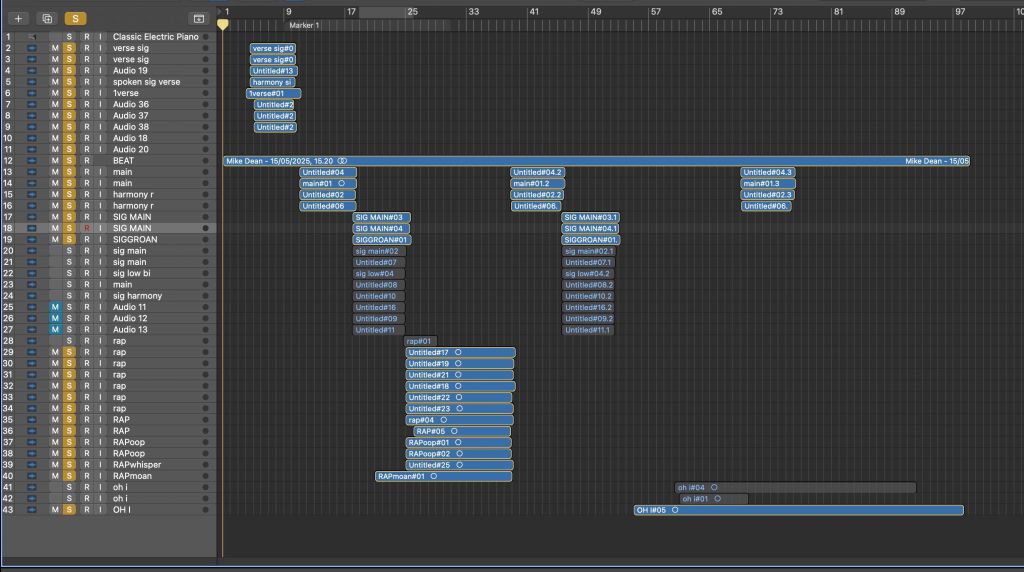
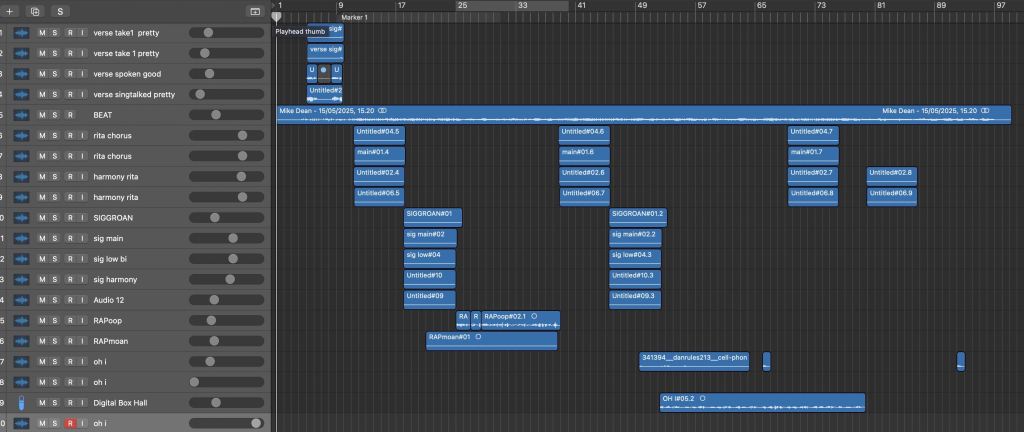
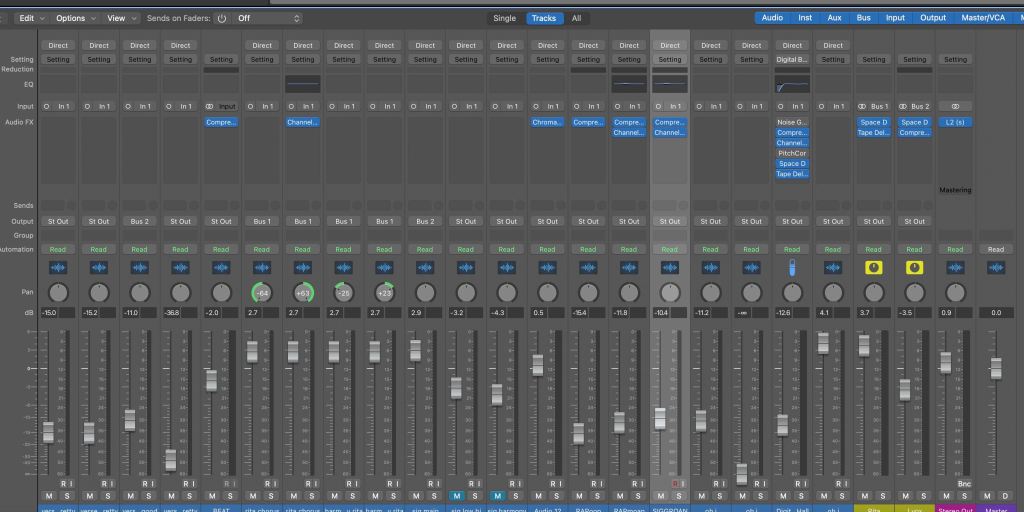
During these last weeks I got in the studio with Rita and Jordan and recorded and mixed some final bits to really polish up the track. Jordan helped me with mixing the vocals, subgrouping them to bus them and adding reverb, EQ and other effects to create a dark-poppy ethereal sound to the music.
In the studio with Jordan and RitaThis was the original track unmixed. Way too many vocal takes that had to be trimmed down.This is the track after listening to the takes and properly trimming the fronts and ends of the audio so it all lined up and was simple to edit, if I didn’t do this it would’ve been hard to know where the vocals lined up.Here you can see all the mixer and effect channels for the final mix of the song. The vocals have added reverb, noise gated which reduces the aduo below a certain threshhold, pitch correction and compresesed which reduces the dynamic range of audio signals, essentially making louder parts quieter and quieter parts louder as necessary to equalize them in the mix to make everything sounds cohesive. Some effects were added too such as some Space and Tone Delay for Ritas chorus to give it that ethereal far-away siren quality.
Week Nine
Consumers, how they shape The Industry
In the past, music consumers tended to be largely passive. Record labels and radio stations controlled which songs were heard and promoted, and customers purchased the music or not. But online platforms reversed that. Consumers now actively make, share, and co-create music experiences. Online platforms such as TikTok, YouTube, and Spotify offer the tools for fans to launch artists independent of a label. For example, there was a viral traction for PinkPantheress and Ice Spice because their songs were used on short-form videos—proof that consumer action directly shapes careers nowadays.
A 2023 MIDiA Research report quoted analysts to highlight how Gen Z listeners would “discover music through moments, not media,” by concentrating on social media and short-form content in order to discover new music. The shift suggests consumers are no longer fans but also trendsetters, gatekeepers, and amateur marketers.
Consumer demand not only determines what popular music is-it determines what gets made. When lo-fi hip hop playlists began going viral on YouTube and Spotify, large labels began signing lo-fi acts and pushing instrumental, ambiance-focused songs in order to meet demand. Similarly, the early 2010s saw EDM craze after fans created massive buzz during festivals and online-leading to artists like Calvin Harris and The Chainsmokers dominating mainstream charts.
Even genre-blending—previously taboo for purists—has become the norm, thanks to listeners increasingly diverse playlists. Doja Cat, Lil Nas X, and Grimes switch pop, rap, electronica, and alternative forms of music seamlessly, adjusting to blurring genre lines in behavior among listeners.
Streams from services like Spotify and Apple Music are used to inform not only what a particular user listens to, but what the entire market cares about. When tens of millions of users skip over a song, replay its hook, or include a track on a playlist, it is fed into algorithms that move some songs to the top of recommendation queues. Those algorithms now drive radio airplay, artist signings, and marketing campaigns.
This creates a feedback loop: consumer behavior drives the algorithm, the algorithm pushes some songs, and they become hits. Success thus today increasingly becomes less dependent on promotion by a label and more on consumers’ reaction to the music. Fans as Micro-Communities and Cultural Drivers
Besides listening, fans are now central to shaping artist identity and fan culture. Platforms like stan Twitter, Reddit threads, and Discord servers have listening parties, read lyrics, and even plan streaming strategy to get their artists to the top of the charts. Beyoncé’s “BeyHive,” Nicki Minaj’s “Barbz,” and BTS’s “ARMY” are just a few of many fanbases that exert real cultural power.
Here I created a playlist based on songs that became popular due to consumer activity such as TikToks, being featured in edits and remixes etc.
As consumers are able to build artists, they can also tear them down. Social media enables immediate backlash against artist behavior, song lyrics, or industry moves deemed inopportune. Outrage has yielded canceled sponsorships, tour cancellations, and wiped-out collaborations. Consumers demand more and more transparency, ethics, and representation—labels, brands, and artists alike.
One such instance was the backlash against exploitative deals and label control, which was expressed as a coming out in support of artists like Taylor Swift in her battle over master recordings. This, in turn, compelled platforms and labels to reassess how they negotiate deals and facilitate independent presence. Paying vs. Streaming: Economic Influence
How consumers spend (or do not spend) money also determines industry economics. The shift from purchasing music (CDs, downloads) to streaming necessitated revenue models to shift. No longer were there sales upfront, but now labels and artists seek out plays and subscriptions. This promotes brief songs, releases in abundance, and songs with strong “hook” areas within the first 30 seconds—to stream as much as can be streamed.
Whereas streaming has democratized music to never-before-seen levels, it has also engendered controversies surrounding fair payment. Supporters of artist-led platforms like Bandcamp, merchandise buyers, or live show attendees are becoming a key counterbalance to Spotify or Apple Music’s paltry payments. In this sense, consumer choice can be a compelling force for supporting more just, sustainable music systems—or continuing exploitative systems.
Ultimately, the consumer is stronger than ever. Each click, stream, purchase, or share is a data point that defines the course of music. The music industry doesn’t exist independently of listeners—it reacts to them. This dynamic makes a fan not only a part of the music culture—they are the music culture.
Unwittingly or not, consumers have become tastemakers, critics, curators, and marketers. And as technology continues to evolve, so will the means by which consumer behavior determines what comes forward, what fades away, and what’s next.
From my research I’ve taken away the fact that when thinking about a song from a marketing point of you you must think about how it can be a memorable moment in the culture as well as being good music.
Week Ten
“Call You Up” as a Product
For this section I will be analysing the song as well as thinking about it from a marketing/executive perspectivesupported by my research and interviews.
CallYouUp is firmly within the dark pop/synth-pop genre, with atmospheric and emotionally intense production. It invites comparisons to acts like Grimes, Billie Eilish, FKA Twigs, combining vulnerability with a sharp, self-understanding edge.
The dark poop genre resonates with the modern alternative-music-biased Gen Z audience. Moody but hooky, heavy on the feels but vibey. It also has a potential hyperpop/alt-R&B crossover depending on how its mixed and performed.
This is a messy situationship song, and that’s exactly what younger listeners, especially on TikTok, are tuning into these days: complex emotional narrative, especially ones where the singer isn’t necessarily a hero or victim.
“Love to get my heart broke just for the thrill of it” is an earworm, a hooky line. It would be ideal as the chorus to employ in social media clips while the “Oh I / I know that I want more” sections are memorable, hypnotic, and chant-like. They add structure and commercial recall to the song.
There’s a feeling of emotional tension and struggle here (“You fucked me up” / “but I live for this”), which is a reflection of contemporary trends in confessional pop (à la Olivia Rodrigo, Billie Eilish, Ethel Cain).
Areas to improve:
Narrative brevity: The track uses atmosphere over panoramic storytelling. Okay for dark pop, perhaps, but broader success will necessitate clarity — who is “you”? What happens? The narrative is felt, but sometimes not seen.
Cohesion: Phrases like (“See you next Tuesday / That meeting’s postponed”) are approaching the abstract-interesting, but possibly distracting unless grounded in performance. It’s clever, but possibly confusing for passive listeners.
Market Positioning& Commercial Potential
With the right production (i.e., layered synths, minimalist beats with heavy low-end, and layered harmonies), this track has cross-platform commercial viability. It’s massively emotive, and emotion is one of the biggest currencies in streaming culture today.
A good visual brand to go along with the track — maybe a VHS-glitchy, music video or surrealist animation — would elevate it further.
Social media strategy: With emotional narrative (e.g., “This is for anyone who stuck in a bad relationship even when they knew better”), it can go viral.
Can be assisted by remix culture — slower, reverb-heavy versions for YouTube and TikTok can make it last longer. This is a strong candidate for independent breakout with label potential if matched with clear visual identity and online strategy.
This song could succeed in the indie-to-pop crossover market, especially with the right visuals (lo-fi, glitchcore, moody visuals spring to mind). The following markets/ formats are applicable:
TikTok virality potential: Highly quotable lines like “Love to get my heart broke just for the thrill of it” and “Keep coming back for more” could sound great over POV or breakup vids.
Streaming Playlists: Could belong to “All New Indie,” “Fresh Finds,” “POLLEN,” “sadboi hours,” or “Alternative R&B.” The song could be also be playlisted on Spotify’s “sad girl starter pack,” “anti pop” or “dark pop” playlists – All high-traffic areas on the platform.
Cross-Media: Could serve in shows like Euphoria, Heartstopper, or The Summer I Turned Pretty — series with intensified dramatic romance plots and aesthetic soundtracks.
CallYouUpHigh [Sigourney, Ft. Rita]
0:33 ─〇───── 3:15 ⇄ ◃◃ ⅠⅠ ▹▹ ↻
Risk Factors
Oversaturation: Emotional dark pop is crowded. Distinct vocal delivery or aesthetic branding will be necessary to break through.
Conclusion
“CallYouUp” is a battered, dark love song that speaks on an emotional level to today’s self-conscious, streaming-based pop crowd. With extreme relevance, clever words, and the right production and release, it can work in both niche indie segments and alt-pop mainstream.
Overall Project Conclusion and Reflection
After 10 weeks of researching the Consumer Culture Industry and getting to experience it alongside professionals, experiencing and creating art at the same time, I can safely say I’ve met my goal of learning more about the past, present and future of the Industry and getting to know myself as an artist. I now feel like the industry is less of an abstract scary concept looming over me as a creative but something I can realistically tackle with grit, hard work and making correct decisions.
I wish I had been able to polish up “Call You Up” more, doubling the length of the first verse and spent more time of polishing the production and possibly redoing certain vocal takes for higher-quality audio. The process of making the song was my first time working on any kind of project with actually publishing it as a sellable product in mind which taught me a lot about paletability as an artist, something that I will consider in the future but not let dictate my creative choices so heavily. I felt more like a chameleon shifting into the necessary colours to fit the mood and feel of the song and not that it was a reflection of myself as an artist in the way I’d make my own music down the line.






 sigourneymusic.com